
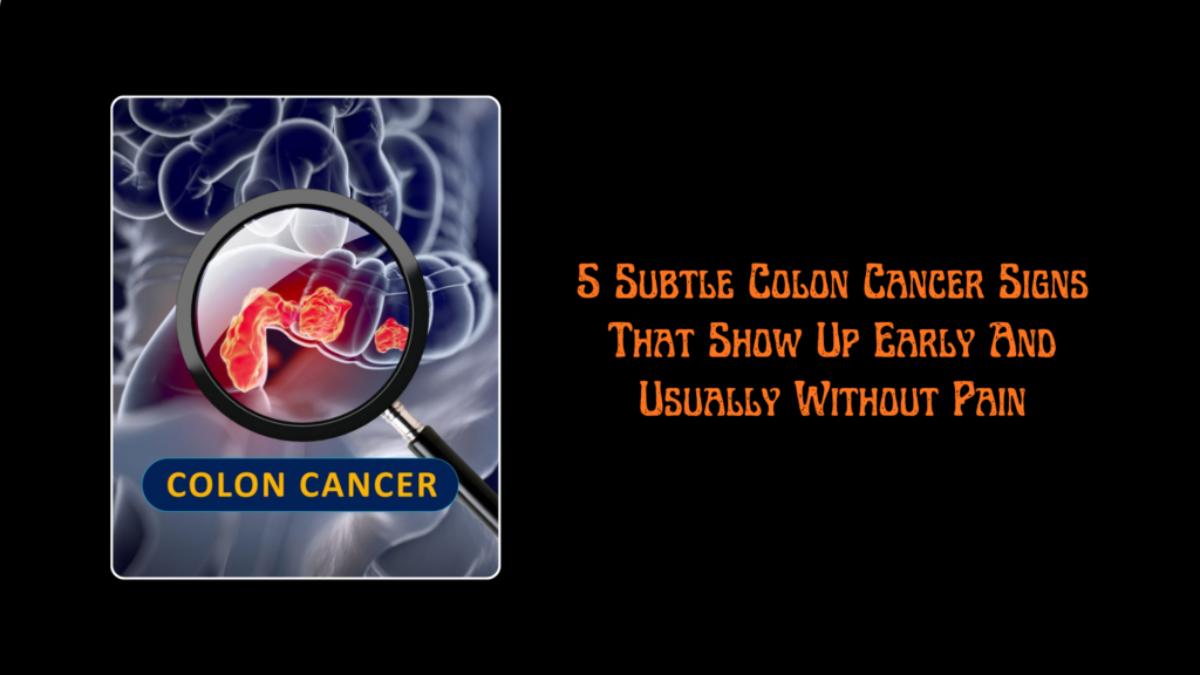
Colon cancer, also known as colorectal cancer, remains one of the most common yet preventable cancers worldwide. The challenge lies in its silent progression—many early colon cancer symptoms develop gradually and without noticeable pain, causing people to dismiss them as minor digestive quirks. According to the American Cancer Society, when detected at an early stage, the five-year survival rate exceeds 90%, making awareness of these subtle hidden signs of colon cancer absolutely critical.
These painless colon cancer warning signs often mimic everyday issues like diet changes, stress, or aging, which is why they fly under the radar. However, persistent or worsening changes warrant medical attention, especially if you’re over 45 or have risk factors like family history, IBD, or a sedentary lifestyle. Below are five early-stage colon cancer red flags that can appear months or even years before advanced symptoms, giving you a vital window for screening and prevention.
1. Unexplained Changes in Bowel Habits
One of the most common yet overlooked early signs of colon cancer is a persistent shift in how your bowels behave. This can mean alternating constipation and diarrhea, feeling like you haven’t fully emptied after a movement (tenesmus), or stools that suddenly become narrower than usual (pencil-thin stools).
These changes occur because a growing tumor can partially obstruct or irritate the colon lining, altering peristalsis without causing sharp pain. Many attribute this to IBS, hemorrhoids, or diet, but if it lasts longer than a few weeks, it’s worth investigating.
- Key clue → Consistency changes for more than 3-4 weeks.
- Why painless → The tumor is often small and non-invasive early on.
- Action → Track patterns in a symptom journal.
2. Blood in the Stool That’s Easy to Miss
Bright red or dark tarry stools are classic colon cancer symptoms, but early bleeding is often minimal and intermittent. You might notice faint streaks on toilet paper, slight pink tint in the water, or occult (hidden) blood only detectable by a fecal immunochemical test (FIT).
Early tumors bleed sporadically when brushed by passing stool, and because there’s no pain, people assume it’s just hemorrhoids or minor fissures.
- Hidden form → Maroon or black stools from higher in the colon.
- Common mistake → Assuming all blood is from hemorrhoids without testing.
- Screening tip → Annual FIT tests from age 45 can catch this early.
3. Persistent Fatigue and Unexplained Weakness
Feeling unusually tired despite adequate sleep is a surprisingly common early warning sign of colon cancer. Chronic microscopic bleeding leads to iron-deficiency anemia, reducing oxygen delivery to tissues and causing profound fatigue.
Unlike normal tiredness, this feels bone-deep and doesn’t fully resolve with rest. Many patients report needing naps or struggling with routine tasks months before diagnosis.
- Paired symptom → Shortness of breath on exertion.
- Lab clue → Low hemoglobin on routine bloodwork.
- Why overlooked → Blamed on stress, aging, or busy lifestyles.
4. Unintentional Weight Loss
Losing 10 or more pounds over a few months without changing diet or exercise is a red-flag symptom of early colon cancer. Tumors can alter metabolism, reduce appetite through subtle inflammation, or impair nutrient absorption.
This weight loss often feels “effortless” at first, which can be misleadingly positive until other symptoms appear.
- Distinguishing factor → Loss of appetite or early satiety.
- Cancer link → Inflammatory cytokines from the tumor suppress hunger.
- Urgency → Any unexplained 5%+ body weight drop deserves evaluation.
5. Abdominal Discomfort That’s Not Quite Pain
While advanced colon cancer causes cramping or severe pain, early stages often produce vague sensations—bloating that never fully resolves, excessive gas, or a persistent feeling of fullness even after small meals.
These subtle colon cancer signs stem from partial obstruction or irritation but rarely reach pain level until later.
- Description → Dull pressure or “something’s not right” feeling.
- Common confusion → Diagnosed as IBS or food intolerance.
- Progression watch → Symptoms worsen after eating or don’t improve with diet changes.
Recognizing these painless early signs of colon cancer can literally save lives. The key is persistence—if any symptom lasts longer than two to three weeks or you have multiple signs together, consult your doctor promptly. Regular screening colonoscopies (starting at age 45, or earlier with risk factors) remain the gold standard for prevention and early detection. Your body whispers before it screams—listen early.
FAQs:
Can colon cancer develop completely without pain?
Yes, early stages often produce no pain, only subtle changes.
How long do early colon cancer symptoms last before worsening?
Persistent changes lasting over 3-4 weeks warrant medical evaluation.
Medical Disclaimer
The information provided on Health Tips India is intended for educational and informational purposes only. It should not be considered a substitute for professional medical advice, diagnosis, or treatment.
Always consult a qualified healthcare professional before making any health-related decisions or changes to your diet, exercise, or medical routine.

SamhithaHealth & Wellness Content Writer
a Health & Wellness Content Writer with over 6 years of experience creating research-based health articles. She specializes in nutrition, weight management, diabetes care, skin health, and healthy lifestyle practices. Here content is carefully written using trusted medical and scientific sources to ensure accuracy and clarity for readers.