
As monsoon arrives, lush greenery covers every place, there is relief from the heat and cool wind calms the mind. Light rains, pakodas with tea and aroma of rain are favorite of all. But one reality of this season is that it takes a huge impact on our skin and hair. Especially the impact of rain is visible immediately on hair.
Everyone complains in this season that their hair gets dry, lifeless and frizzy. Many times dandruff also gets increased in the hair and the most common issue is hair fall. In fact, the atmosphere is full of moisture during the rainy season.
This moisture makes the scalp and hair wet repeatedly, because of which fungal infection, dandruff, itchiness and hair breakage begin. Apart from this, rain water is usually not pure. It has dust, earth, dirt and pollution particles that make the hair weaker.
So the question is that how to look after your hair in rainy season so that it will be strong, shiny and beautiful. Today we are going to share 6 very essential and simple tips for hair care in rainy season. If you adhere to these, then even in this season your hair will be thick and shiny like earlier.
1. Always keep hair and scalp clean
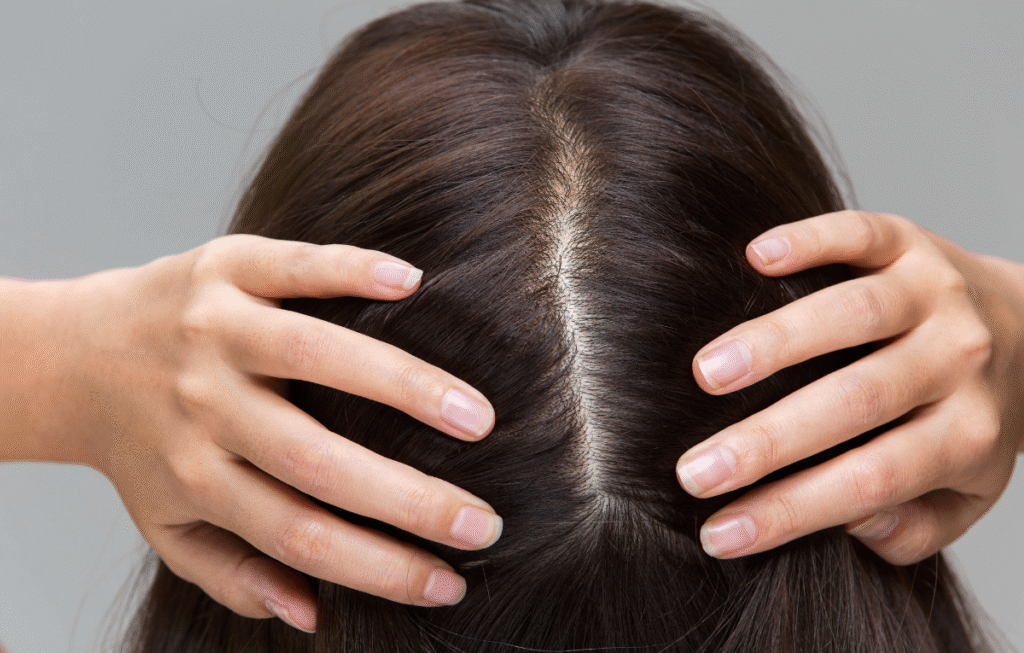
The maximum issue during the rainy season is the build-up of oil and sweat. Because of high humidity in the air, the scalp gets sticky repeatedly. This dirt, sweat and oil combined create dandruff, itching and even fungal infection.
Why it is important:
- Hair remains healthy in a clean scalp and does not fall instantly.
- Eliminates dandruff and itching.
- Hair looks fresh and bouncy.
How to do:
- Shampoo hair with gentle shampoo 2 to 3 times a week.
- Shampoo with sulfate-free shampoo so that hair does not dry out and lose its natural shine.
- Wash your hair as soon as you come in from getting wet in the rain.
Homemade recipe: Boil neem leaves in water and after it cools, wash your hair in this water every week. Neem contains antibacterial and antifungal properties, which guards the scalp against infection.
2. Say goodbye to hair frizz with conditioning
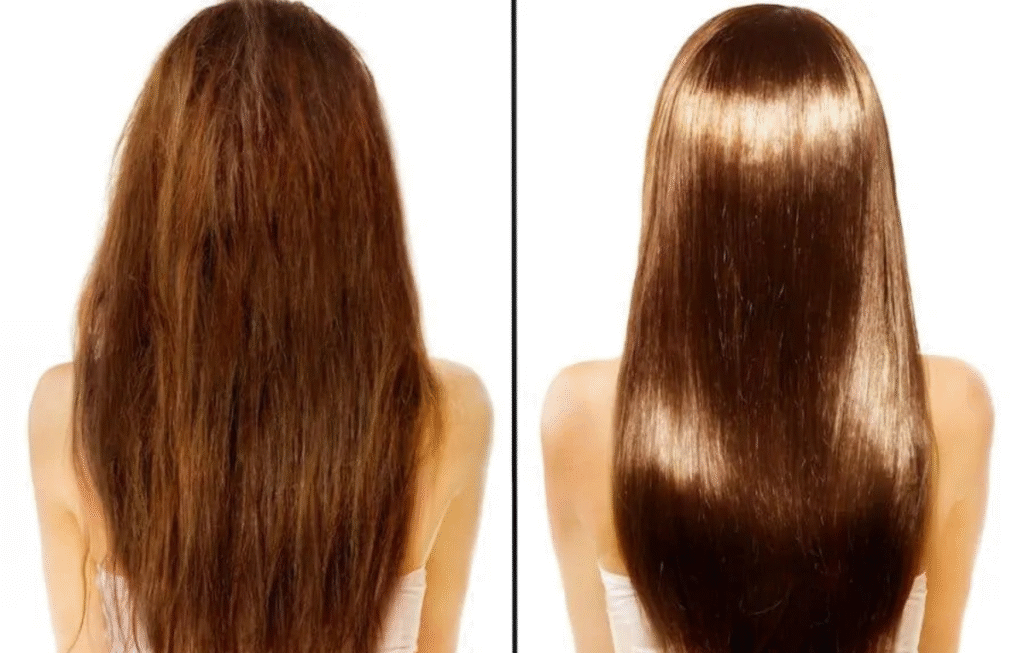
The moisture of rain makes the hair dry and frizzy. Particularly those with naturally dry or curly hair, they have worse frizz problem. In this case, conditioning becomes extremely crucial.
Why it is important:
- Manages frizz and flya ways.
- Makes hair gentle and manageable.
- Prevents split ends and breakage.
How to do:
- Use conditioner every time after shampooing.
- Always condition mid-lengths to ends of hair, don’t condition on scalp.
- Use a leave-in conditioner or hair serum so that the hair becomes easy to handle even when you step outside.
Homemade recipe: On washing the hair, put aloe vera gel on the hair for 10 minutes and wash it off. It makes the hair silky and glossy.
3. Oiling is important, but do it wisely

Oiling is highly useful for making the hair roots strong and enhancing blood flow in the scalp. But oiling for a long duration during rainy season proves to be detrimental since it leaves the scalp oily and dirt gets adhered to it more.
Why it is important:
- Moisturizes the hair from the roots.
- Avoids dryness and dullness.
- Minimizes split ends and hair breakage.
How to do:
- Take a light oil such as coconut, almond or argan.
- Light massage for 15–20 minutes and shampoo the hair within 2–3 hours.
- Avoid oiling in rain and leaving it overnight.
Homemade recipe: Blend 3–4 drops of tea tree oil with coconut oil and apply it over the scalp. It keeps dandruff and fungal infections at bay.
4. Protect your hair from rain water

Rainwater can appear fresh but contains pollution particles and dirt. When this water falls on the hair again and again, the hair is weakened and becomes lifeless.
Why it is important:
- Polluted water makes the hair roots weak.
- Scalp infection and irritation can happen.
- Hair becomes dry and rough.
How to do:
- Do not get wet in the rain.
- If you get wet, return home and wash your hair with a mild shampoo.
- Wear a scarf or umbrella while moving out.
Practical Tip: Always keep a small dry shampoo in your bag. It instantly removes the stickiness of the scalp and makes the hair look fresh.
5. Take special care of your diet

No matter how well we take care from outside, hair strength actually comes from our diet. If there is proper diet, the hair never falls and is always thick and shiny. During rain, individuals consume more oily or fried food, which enhances stomach issues and hair weakness.
Why it is important:
- With good nutrition, the root of the hair becomes strong.
- Problem of hair fall is minimized.
- Hair is naturally shiny.
What should we eat:
- Protein: Egg, fish, cheese, pulses and nuts.
- Vitamin C: Amla, orange, guava, kiwi.
- Omega-3 fatty acids: Flax seeds, walnuts and salmon fish.
- Take 8–10 glasses of water daily.
Homemade recipe: Intake of amla juice or powder daily makes the hair long and strong.
6. Adopt a hairstyle according to the rain

Open hair becomes frizzy and tangled easily during this season. It’s best to opt for a hairstyle that holds the hair well and doesn’t allow breakage.
Why it is important:
- Keeps hair safe from pollution and humidity.
- Reduces the issue of breakage and tangling.
- Hairstyle is easy and long-lasting.
Which hairstyles to adopt:
- Loose braid or side braid.
- Low bun or messy bun.
- Light loose ponytail.
Practical Tip: Do not style hair very tight as it damages the roots and leads to hair fall.
Some additional tips
- Trim your hair every 6–8 weeks so that split ends don’t lengthen.
- Less use of hair dryer and straightener.
- Dry your hair using a microfiber towel to avoid frizz.
- Do not share a comb or a hair brush.
- Use a wooden comb rather than a plastic comb.
Easy home remedies for hair
- For dandruff: Combine neem powder with curd and apply on scalp for 30 minutes.
- For frizz: Prepare a mask by blending ripe banana and honey and apply on hair.
- For hair fall: Combine onion juice with coconut oil and massage.
- For dull hair: Wash hair with rice water every week.
Common mistakes to avoid during rainy season
- Keeping wet hair open for long.
- Applying too much oil or not applying it at all.
- Using chemical hair products frequently.
- Washing hair with hot water.
- Taking care of only the length of hair and ignoring the scalp.
Conclusion
Monsoon season brings romance and freshness, yet it also carries a lot of challenges for our hair. If you take some precautions and add these 6 essential tips to your daily beauty routine, then your hair will be thick, healthy and pretty even during this season.
The actual charm of hair is seen only when it is in good health. So, in addition to outer treatment, take care of diet and lifestyle too. When your hair is healthy and lustrous, your confidence will be double too.
FAQs:-
What home remedies help in monsoon hair care?
Aloe vera gel, coconut oil, and neem water rinses help control dandruff and keep the scalp healthy.
Which hairstyle is best during monsoon?
Simple buns, braids, or ponytails are better as they protect hair from frizz and tangling.
Why does hair fall increase during monsoon?
Excess humidity and fungal infections weaken the scalp, making hair more prone to breakage and fall.
Medical Disclaimer
The information provided on Health Tips India is intended for educational and informational purposes only. It should not be considered a substitute for professional medical advice, diagnosis, or treatment.
Always consult a qualified healthcare professional before making any health-related decisions or changes to your diet, exercise, or medical routine.

SamhithaHealth & Wellness Content Writer
a Health & Wellness Content Writer with over 6 years of experience creating research-based health articles. She specializes in nutrition, weight management, diabetes care, skin health, and healthy lifestyle practices. Here content is carefully written using trusted medical and scientific sources to ensure accuracy and clarity for readers.