

Maintaining stable blood sugar levels is essential for overall health, energy, and preventing conditions like prediabetes or type 2 diabetes. Small, consistent daily habits to control blood sugar can make a significant difference, helping your body process glucose more efficiently without drastic changes. These evidence-based practices focus on nutrition, movement, hydration, and lifestyle tweaks that naturally support blood sugar management.
Whether you’re aiming for natural ways to stabilize blood sugar or simply want steady energy throughout the day, incorporating these routines can reduce spikes and crashes. Research shows that combining balanced eating with regular activity and stress reduction yields the best results for long-term blood glucose control. Let’s explore seven practical habits to integrate into your routine for better metabolic health.
1. Start Your Day with a Balanced Breakfast
Kick off with meals that combine protein, healthy fats, and fiber to prevent morning spikes. Eggs with avocado, Greek yogurt with berries, or oatmeal topped with nuts slow glucose absorption.
Skipping breakfast or opting for sugary cereals can cause rebounds later. Aim for 20-30 grams of protein to enhance insulin sensitivity.
- Quick ideas → Smoothie with spinach, protein powder, and chia seeds.
- Benefit → Sets a stable tone for the day.
- Pro tip → Eat within two hours of waking.
2. Prioritize Fiber-Rich Foods at Every Meal
Fiber slows carb digestion, leading to gradual glucose release. Target 25-35 grams daily from vegetables, whole grains, legumes, and fruits.
Non-starchy veggies like broccoli or leafy greens have minimal impact. Swap refined grains for quinoa or brown rice.
- Easy swaps → Add beans to salads or snacks on apple slices with almond butter.
- Impact → Lowers post-meal spikes significantly.
- Goal → Half your plate veggies.
3. Stay Hydrated Throughout the Day
Water helps kidneys flush excess sugar and prevents dehydration-induced rises. Aim for at least 8-10 glasses daily, more if active.
Herbal teas or infused water count—avoid sugary drinks that trigger spikes.
- Simple habit → Carry a reusable bottle and sip regularly.
- Bonus → Improves fullness and reduces snacking.
- Sign of success → Clear urine indicates good hydration.
4. Move After Meals
A 10-15 minute walk post-eating enhances muscle glucose uptake, lowering levels effectively—sometimes better than longer sessions later.
Light activity like stretching or chores works too. This habit boosts insulin sensitivity over time.
- Why it works → Muscles use blood sugar for fuel without needing extra insulin.
- Daily goal → Short walks after lunch and dinner.
- Extra perk → Aids digestion and energy.
5. Incorporate Strength Training Weekly
Build muscle through resistance exercises like weights or bodyweight moves twice a week—muscle acts as a glucose sink.
Pair with cardio for optimal results. Even short sessions improve long-term control.
- Beginner-friendly → Squats, push-ups, or resistance bands.
- Long-term win → Increases resting metabolic rate.
- Combine → With daily walks for synergy.
6. Manage Stress with Daily Practices
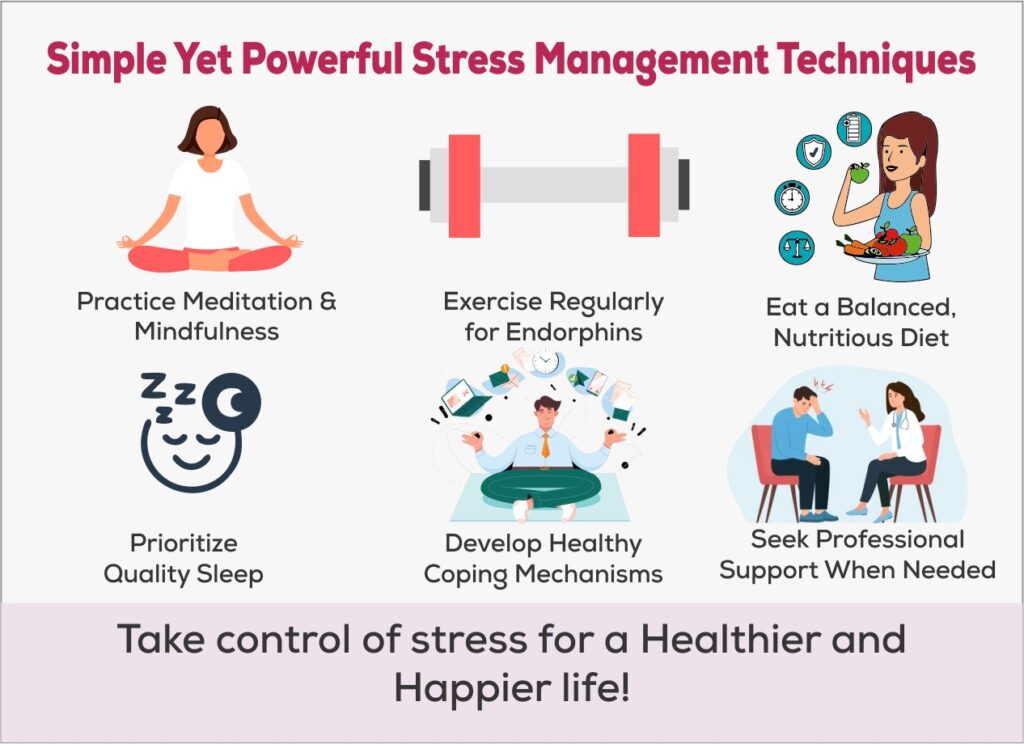
Chronic stress raises cortisol, elevating blood sugar. Practices like meditation, deep breathing, or yoga counteract this.
Aim for 10 minutes daily—apps guide beginners effectively.
- Quick technique → 4-7-8 breathing: Inhale 4 seconds, hold 7, exhale 8.
- Benefit → Lowers inflammation linked to insulin resistance.
- Evening ritual → Wind down without screens.
7. Prioritize Quality Sleep
Aim for 7-9 hours nightly—poor sleep disrupts insulin and increases cravings. Consistent bedtimes regulate circadian rhythms affecting glucose.
Create a routine: dim lights, avoid caffeine afternoon onward.
- Sleep hygiene → Cool, dark room; no screens an hour before bed.
- Impact → Better next-day choices and stability.
- Track → Notice improved energy and fewer cravings.
These everyday habits for stable blood sugar compound over time, promoting better energy, mood, and health. Start with 2-3 that fit your lifestyle, then build. Consult a healthcare provider for personalized advice, especially if managing diabetes. Small steps lead to sustained balance and vitality.
FAQs:
What is the best habit for quick blood sugar control?
A short walk after meals effectively lowers post-meal spikes.
How does hydration affect blood sugar levels?
Drinking water helps kidneys flush excess sugar and prevents rises.
Why is sleep important for blood sugar management?
Poor sleep disrupts insulin, leading to higher levels and cravings.
Medical Disclaimer
The information provided on Health Tips India is intended for educational and informational purposes only. It should not be considered a substitute for professional medical advice, diagnosis, or treatment.
Always consult a qualified healthcare professional before making any health-related decisions or changes to your diet, exercise, or medical routine.

SamhithaHealth & Wellness Content Writer
a Health & Wellness Content Writer with over 6 years of experience creating research-based health articles. She specializes in nutrition, weight management, diabetes care, skin health, and healthy lifestyle practices. Here content is carefully written using trusted medical and scientific sources to ensure accuracy and clarity for readers.