
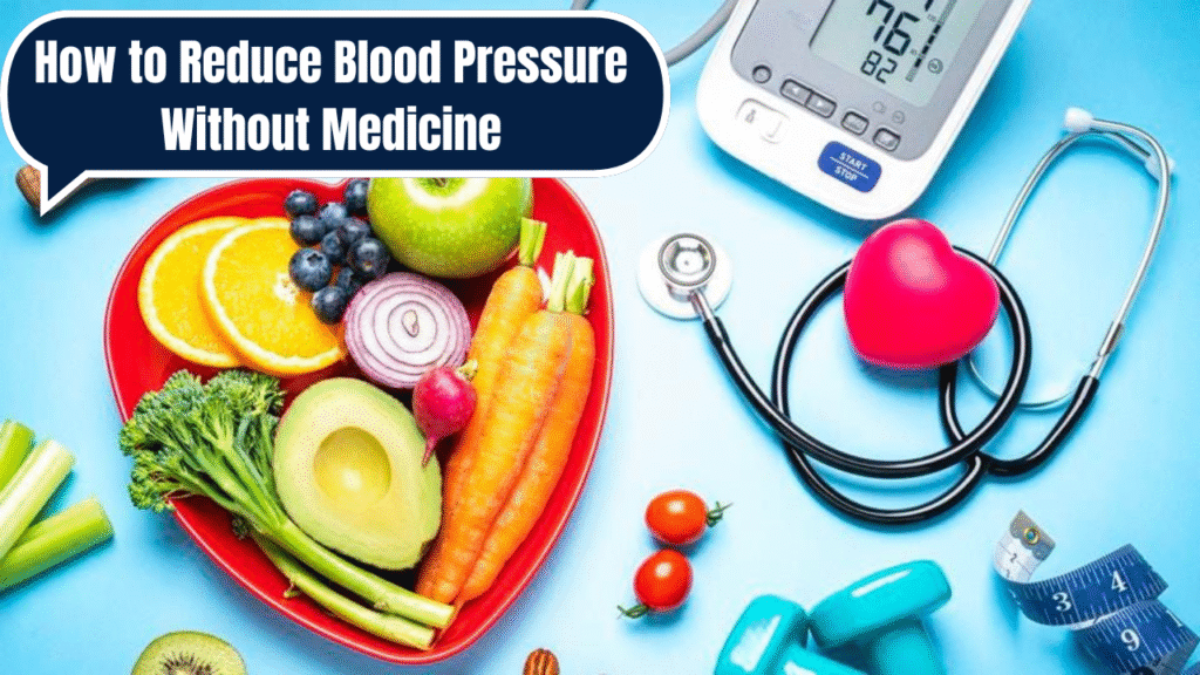
Hypertension, or most commonly known to most people as high blood pressure, is one of those diseases that has existed for a very long time. It continues to be held worldwide in various parts. Most people would know it as “the silent killer” because, for most of the time, it does not show any significant outward symptoms but slowly destroys one’s entire organ systems, like the heart, arteries, kidneys, or even the eyes. Dangerous and serious complications that would hardly arise from it include heart disease, stroke, kidney failure, and blindness without any control over the disorder.
Most people discovered medication for high blood pressure as an effective cure. However, doctors have actually taken on their first action to warrant lifestyle change as the first form of therapy because of the natural ways that have proven repeated cases of blood pressure lowering, while avoiding drugs, through healthy practices that decrease blood pressure and pave the way for better health.
This article intends to elaborate on scientifically proven ways of lowering blood pressure at home without the use of medication.
Understanding Blood Pressure
Blood pressure is applied as the force exerted by blood within arteries at contraction points in the heart, in less technical terms, the impact blood strikes against the arterial walls. Blood pressure is measured in millimeters of mercury mmHg unit. Blood pressure, by definition, will be an indication usually written in two numbers.
- Systolic pressure: This is also termed the upper number that occurs during a heartbeat.
- Diastolic pressure: This is the lower number, which occurs during any resting period between beats.
Thus, “normal” blood pressure would be almost 120/80 mmHg. Anything above that is constantly high, usually around 130/80 mmHg, in such cases.
Importance of Lifestyle Change
Blood pressure depends on food, activity, stress, sleep, and body weight. There is a genetic predisposition, but most cases of hypertension have a lifestyle culprit. Usually, this change would mean as much as a 10-20 point drop in blood pressure, usually as efficacious in mild instances.
Natural Ways to Reduce Blood Pressure without Medicines
1. Following a Heart-Healthy Diet.
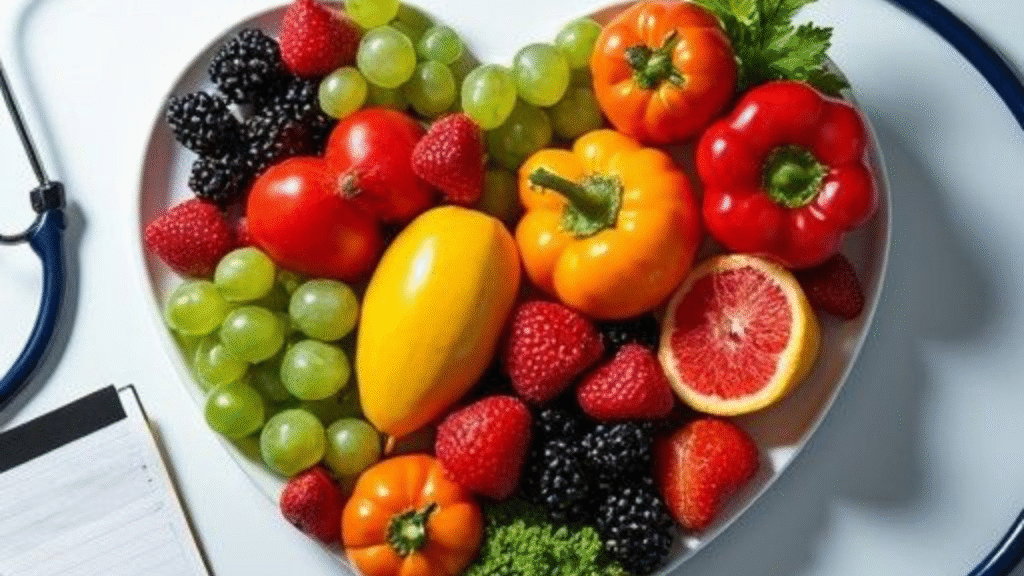
A heart-healthy diet is one of the best natural treatments available for high blood pressure.
- DASH Diet: Dietary Approaches to Stop Hypertension (DASH). The key is low-fat dairy and lean proteins, whole grains, fruits, and vegetables.
- Mediterranean diet: It consists of olive oil, fish, nuts, and a rich diet, reducing cardiovascular disease.
Some Practical Tips:
- Increase the amount of fruits and vegetables you can ingest (bananas & oranges, for example) and other fruits and veggies like spinach and broccoli.
- Prefer whole grains to flour products.
- Add to the diet beans, pulses, fish, and skinless poultry.
- Opt for low-fat dairy-like value yogurt and milk.
2. Reduce Salt (Sodium) Intake
High salt intake is the leading cause of hypertension. Salt retains water in the body, which makes blood volume and pressure increase.
- Restrict sodium to less than 1500 mg a day.
- Avoid packaged and processed foods such as chips, instant noodles, and canned soups.
- Use herbs, lemon, and spices to flavor food instead of salt.
3. Continue in a Healthy Weight
Being overweight or obese puts you at a greater risk for hypertension. The more fat a person carries around their waist, the more effort the heart must put into pumping blood.
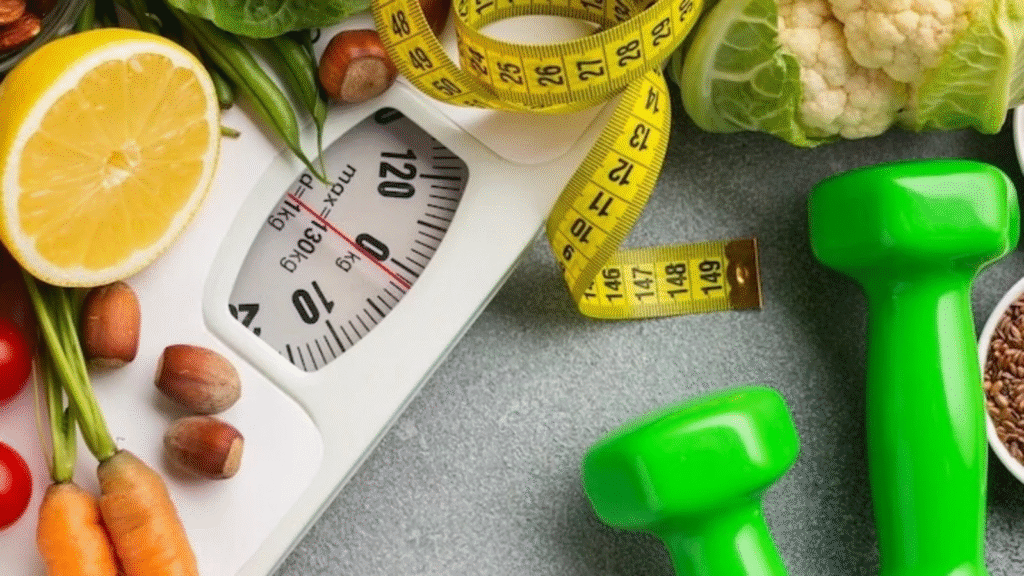
- Even a 5-10 percent drop in body weight alone may be sufficient to bring down blood pressure.
- Remember to check portion sizes to avoid eating too much, and swap sweetened beverages for water or unsweetened drinks.
4. Exercise Regularly
All actions of doing physical activity build strength in a person towards the heart, improve blood flow, and reduce pressure on the arteries.
- Use this where you would prescribe at least 150 minutes of moderate such as walking, cycling, or swimming, each week, plus within the week, two mentions of strength building.
- Brisk walk for 30 minutes daily.
5. Manage Stress Effectively
Premature stress keeps the body tense and the blood pressure high.
There are healthy ways in which stress can be managed:
- Breathing deep and meditating.
- Some yoga or tai chi
- Walk in nature.
- Joyful music listening or other hobbies.
- Time management with priority setting and saying no helps.
6. Limit Alcohol Consumption
In small amounts, alcohol is associated with some health benefits, but excessive drinking tends to increase blood pressure.
- Alcohol intake should be stopped at one for women and two for men in one day.
- Also, try complete alcohol-free days.
- For an alcoholic substitute, one may select whichever of fresh water, iced tea, juice, or water mixed with slices and ginger bits.
7. Quit Smoking
Every cigarette raises blood pressure transiently, and arteries are damaged. With continued use, smoking contributes to chronic hypertension and heart disease.
- Quitting smoking will:
- Better make blood circulation.
- Lessen the risk of heart attack and stroke.
- Boost the overall health of both lungs and heart.
8. Get Enough Sleep
Bad or non-restful nights and conditions like sleep apnea may elevate blood pressure. Proper sleep should allow for perfect harmony in the hormones and decreased stress levels.
- Seek to get 7-8 full hours of quality sleep every night.
- Stay with a regular sleep cycle.
- Refrain from caffeine intake and screen exposure just before bed.
- Create a calming sleep environment using very relaxing music with dim lights.
9. Eat More Potassium-Rich Foods
This should help offset sodium and relieve wall tension.
Potassium-rich foods:
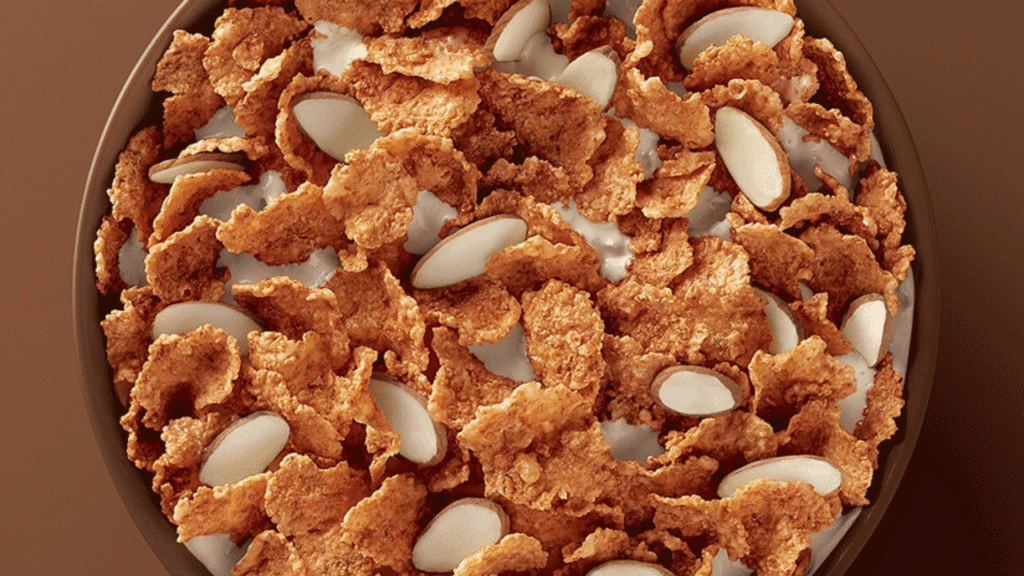
- Bananas, avocados, oranges, and kiwifruit.
- Leafy vegetables such as spinach and kale.
- Sweet potatoes and beans.
- Yogurt and salmon.
10. Cut Down on Caffeine
Caffeine can raise blood pressure temporarily in individuals with sensitivity to caffeine. If you realize higher pressure after a cup of joe, decrease its consumption.
- Switch to decaffeinated coffee or green tea.
- Limit consumption of energy drinks and soda.
- Increase intake of water and herbal teas.
11. Stay Hydrated
Water supports good blood circulation and the kidneys. When you are dehydrated, blood vessels can cause constriction, resulting in increased pressure.
- Drink 6 to 8 glasses per day.
- Eat foods rich in water, i.e., watermelon, cucumbers, and oranges.
12. Monitor Blood Pressure at Home
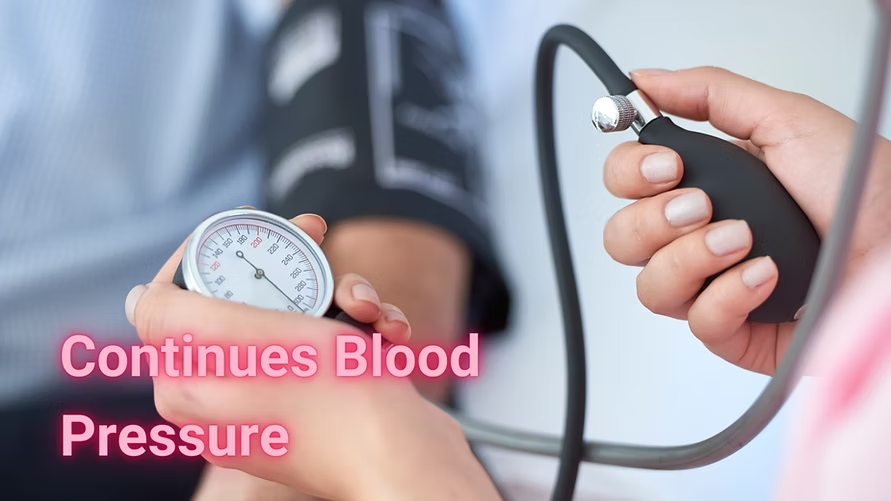
- Regularly monitoring blood pressure helps keep track of how lifestyle changes are affecting you and your blood pressure readings.
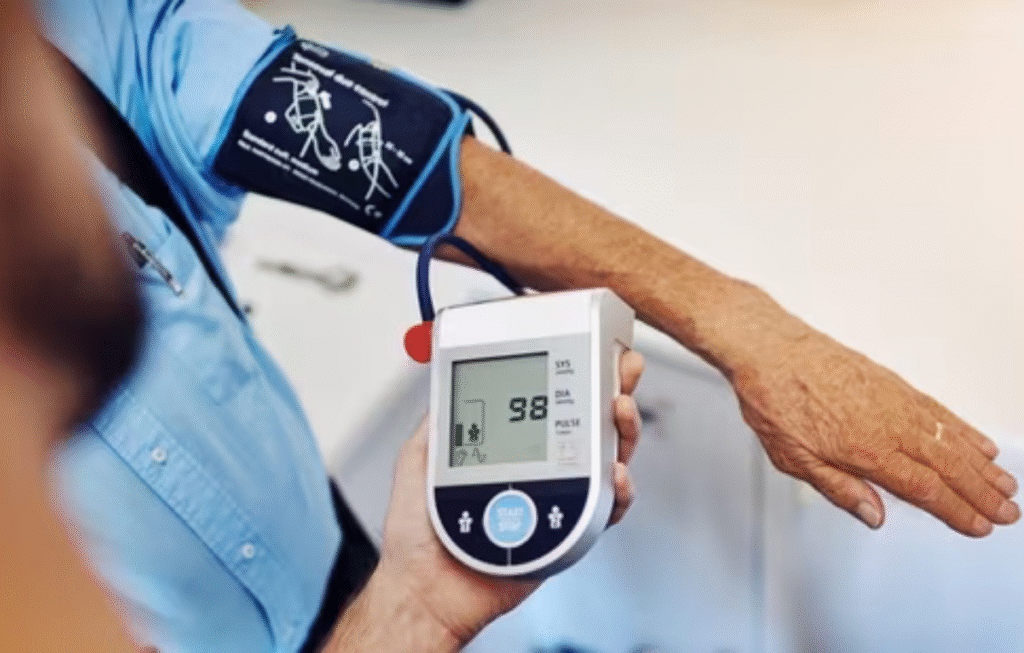
- There are digital blood pressure monitors for use.
- Take your readings daily at the same time.
- Show your records to a health professional for better help with guidance.
13. Reducing processed Sugars and Refined Carbohydrates
- High sugar intake causes the gain of weight, insulin resistance, and hypertension.
- Water: Stay at drinking water and water soaked in fruits.
- Cut back on the intake of baked white bread, biscuits, and cakes, or what have you.
- Make sure to eat whole grains and use natural sweeteners in moderation.
14. Try These Relaxation Therapies
Here are other methods one can try to help reduce blood pressure naturally.
- Aromatherapy, particularly with lavender or chamomile.
- Acupuncture is another form of treatment that specializes in relieving stress conditions.
- Massages serve to loosen the muscles.
Natural Foods Lowering Blood Pressure
- Allicin in garlic relaxes the blood vessels.
- Beets are high in nitrates; they enhance circulation.
- Dark chocolate: 1.5 ounces will open the blood vessels, given a 70% cocoa content or higher.
- Oats contain beta-glucan, which lowers cholesterol levels and blood pressure.
- Nuts and seeds found include omega-3 fatty acids plus fiber in flax seeds.
An Example Daily Routine to Keep Blood Pressure Healthy:
- Morning: 10 minutes of meditation + breakfast rich in potassium (oatmeal with banana).
- Afternoon: 30-minute brisk walk plus lunch with high vegetables.
- Dinner consists of beans, vegetables, and quinoa: before bed, yoga or light stretching.
- Herbal tea at night: no screens, sleep early.
When to Contact Your Doctor
These lifestyle changes alone could pack a punch to themselves, but worth visiting your doctor if . . .
- Blood pressure readings continue to be above 140/90 mmHg.
- Headache, pressure in the chest, or visual disturbances.
- Another chronic condition includes diabetes or kidney disease.
Conclusion:
Daily lifestyle changes reduce high blood pressure naturally. This includes heart-healthy eating, active living, proper stress management, sufficient sleep, and avoidance of bad habits. Long-term health risk reduction is also associated with those activities, aside from high blood pressure.
This is not some magic exercise; it is a long-time habit of caring for one’s heart and general well-being. Gradual small improvements that are continuously made to both diet and lifestyle will give blood pressure and quality-of-life gains.
FAQs:
Can lifestyle changes really lower high blood pressure without medicine?
Yes, healthy eating, regular exercise, stress management, and reduced salt intake can naturally lower blood pressure effectively.
How much exercise is needed to reduce blood pressure naturally?
At least 30 minutes of moderate activity like walking, swimming, or cycling, five days weekly, significantly reduces blood pressure.
Which foods are best for controlling blood pressure naturally?
Fruits, vegetables, whole grains, beans, nuts, seeds, and potassium-rich foods like bananas and spinach help maintain healthy pressure.
Does stress affect blood pressure levels?
Yes, chronic stress raises blood pressure. Practicing yoga, deep breathing, or meditation daily helps calm the body and mind.
Medical Disclaimer
The information provided on Health Tips India is intended for educational and informational purposes only. It should not be considered a substitute for professional medical advice, diagnosis, or treatment.
Always consult a qualified healthcare professional before making any health-related decisions or changes to your diet, exercise, or medical routine.

SamhithaHealth & Wellness Content Writer
a Health & Wellness Content Writer with over 6 years of experience creating research-based health articles. She specializes in nutrition, weight management, diabetes care, skin health, and healthy lifestyle practices. Here content is carefully written using trusted medical and scientific sources to ensure accuracy and clarity for readers.