
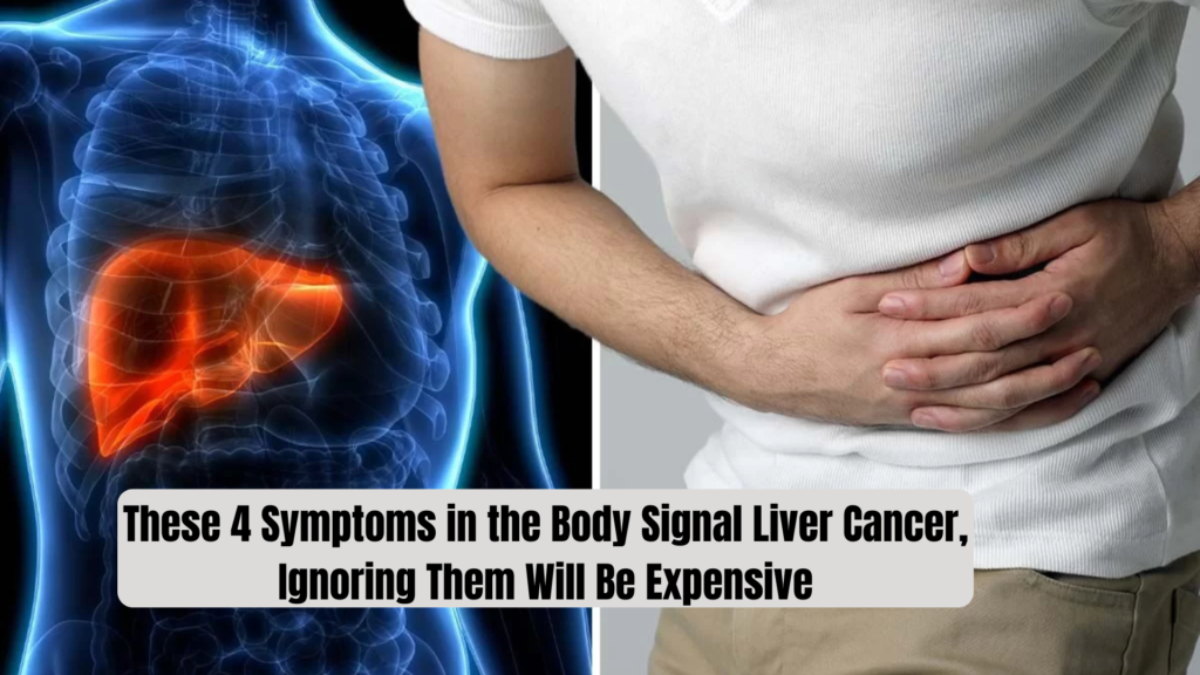
In today’s fast-paced world, it’s easy to brush off minor health issues as nothing serious. But when it comes to liver cancer symptoms, early detection can make all the difference between successful treatment and severe complications. Liver cancer, also known as hepatocellular carcinoma, often develops silently in its initial stages, making it crucial to recognize the early signs of liver cancer before they escalate. According to medical experts from organizations like the American Cancer Society and Mayo Clinic, ignoring these warning signals can lead to advanced disease, where options become limited and outcomes less favorable. This blog post dives deep into four key symptoms seen in the body that could indicate liver cancer, explaining why they occur, how to spot them, and why prompt action is essential for liver health.
Understanding liver cancer starts with knowing its risk factors. Chronic conditions like hepatitis B or C infections, cirrhosis from excessive alcohol consumption, non-alcoholic fatty liver disease, and even obesity can increase your chances. While not everyone with these risks will develop cancer, staying vigilant about changes in your body is key. If you’re experiencing any unusual symptoms, consulting a healthcare professional for tests like ultrasounds or blood work can help catch issues early. Now, let’s explore those four critical symptoms of liver cancer that you shouldn’t overlook.
1. Unexplained Weight Loss: A Silent Red Flag for Liver Cancer Symptoms
One of the most common early signs of liver cancer is sudden, unexplained weight loss. This isn’t the kind you experience from dieting or exercise—it’s often rapid and unintentional, dropping several pounds without any lifestyle changes. Why does this happen? The liver plays a vital role in metabolism and nutrient processing. When cancer affects it, the organ’s efficiency drops, leading to poor appetite and inefficient calorie use. In advanced cases, the body might start breaking down muscle and fat for energy, accelerating the weight loss.
Patients often report losing 10% or more of their body weight over a few months, accompanied by a general feeling of malaise. If you’re noticing clothes fitting looser or the scale tipping downward unexpectedly, it could be more than just stress. Combining this with other liver cancer symptoms like fatigue can point to something serious. Medical sources, such as MD Anderson Cancer Center, highlight that this symptom appears in up to 40% of liver cancer cases. Ignoring unexplained weight loss might allow the cancer to progress, making treatment harder. Instead, track your weight regularly and seek medical advice if losses persist—early intervention through screening could save lives.
2. Persistent Abdominal Pain or Swelling: Key Indicators Among Symptoms of Liver Cancer
Abdominal discomfort is another prominent symptom seen in the body that may indicate liver cancer. This pain is typically located in the upper right quadrant, right under the ribs, where the liver sits. It can feel like a dull ache, sharpness, or even radiate to the back or shoulder blade. Swelling or bloating in the abdomen, known as ascites, occurs when fluid builds up due to the liver’s impaired function in regulating proteins and fluids.
What causes this? Tumors can press on surrounding tissues or block bile ducts, leading to inflammation and pressure. In early stages, the pain might come and go, mimicking indigestion or muscle strain, which is why many dismiss it. However, as the cancer grows, the discomfort becomes more constant. The Cleveland Clinic notes that about 30-50% of patients experience this as one of the initial signs of liver cancer. If you’re dealing with ongoing abdominal pain that doesn’t respond to over-the-counter remedies, it’s time to investigate. Ignoring these symptoms of liver cancer could lead to complications like internal bleeding or infection. A doctor might recommend imaging tests to rule out issues, emphasizing how recognizing early signs of liver cancer promotes better prognosis.
3. Jaundice: The Yellow Warning Sign in Liver Cancer Symptoms
Jaundice is a telltale symptom that often signals liver problems, including cancer. It manifests as yellowing of the skin, eyes (sclera), and sometimes mucous membranes. This occurs because the liver can’t process bilirubin—a byproduct of red blood cell breakdown—leading to its buildup in the bloodstream. Accompanying signs might include dark urine, pale stools, and intense itching due to bile salts irritating the skin.
In the context of liver cancer, jaundice typically appears when tumors obstruct bile flow or the liver is severely damaged. It’s more noticeable in fair-skinned individuals but can affect anyone. Cancer Research UK reports that jaundice affects around 20-30% of liver cancer patients at diagnosis. While it can stem from benign causes like gallstones, persistent jaundice warrants immediate attention. Early signs of liver cancer like this are crucial because they indicate the disease might be advancing. Don’t wait—see a specialist for blood tests or biopsies. Ignoring jaundice among liver cancer symptoms can result in further liver failure, proving costly in terms of health and treatment expenses.
4. Chronic Fatigue and Weakness: Overlooked Early Signs of Liver Cancer
Feeling constantly tired, even after rest? Chronic fatigue and weakness are subtle yet significant symptoms seen in the body that could indicate liver cancer. The liver is essential for detoxifying blood, producing energy-storing proteins, and regulating hormones. When compromised by cancer, it leads to anemia, nutrient deficiencies, or toxin buildup, all contributing to profound exhaustion.
This isn’t ordinary tiredness; it’s debilitating, affecting daily activities like work or exercise. Patients might also experience muscle weakness or easy bruising. The American Cancer Society lists fatigue as a common issue in many cancers, including liver, often due to the body’s immune response fighting the disease. Up to 50% of those diagnosed report this as an early symptom. Combining it with other signs amplifies the concern. If fatigue persists despite lifestyle adjustments, consult a doctor—blood work can check for liver enzymes or anemia. Recognizing these symptoms of liver cancer early allows for timely interventions like surgery or targeted therapies, avoiding the high costs of late-stage care.
Why Ignoring These Liver Cancer Symptoms Can Be Detrimental
Dismissing these four symptoms—unexplained weight loss, abdominal pain, jaundice, and fatigue—can allow liver cancer to advance undetected. Early detection through awareness of liver cancer symptoms boosts survival rates significantly; for instance, localized cancers have a 35% five-year survival rate, per the National Cancer Institute, compared to just 3% for distant metastases. Risk reduction involves vaccinations for hepatitis, moderating alcohol, maintaining a healthy weight, and regular check-ups if you’re at high risk.
In conclusion, staying attuned to your body’s signals is vital for liver health. These symptoms seen in the body indicate potential liver cancer, and ignoring them will prove costly in health, finances, and quality of life. If any resonate with you, don’t hesitate—schedule a doctor’s visit today. Knowledge empowers; share this with loved ones to promote early detection.
FAQ 1: What are the most common early signs of liver cancer?
The most common early signs of liver cancer include unexplained weight loss, persistent abdominal pain, jaundice, and chronic fatigue. These symptoms often appear subtly, so monitoring changes in your body and seeking medical advice is important for early detection.
FAQ 2: Can liver cancer symptoms be mistaken for other conditions?
Yes, liver cancer symptoms like abdominal pain or fatigue can mimic issues such as indigestion, viral infections, or stress. However, if they persist or worsen, especially with risk factors like hepatitis or cirrhosis, consult a doctor to rule out serious conditions.
FAQ 3: How can I reduce my risk of developing liver cancer?
To reduce risk, get vaccinated against hepatitis B, limit alcohol intake, maintain a healthy weight to avoid fatty liver disease, and undergo regular screenings if you have chronic liver conditions. A balanced diet and exercise also support overall liver health.
FAQ 4: When should I see a doctor for potential liver cancer symptoms?
See a doctor immediately if you experience persistent symptoms like unexplained weight loss, jaundice, or abdominal swelling. Early evaluation through tests like ultrasounds or CT scans can lead to timely diagnosis and better treatment outcomes.
Medical Disclaimer
The information provided on Health Tips India is intended for educational and informational purposes only. It should not be considered a substitute for professional medical advice, diagnosis, or treatment.
Always consult a qualified healthcare professional before making any health-related decisions or changes to your diet, exercise, or medical routine.

SamhithaHealth & Wellness Content Writer
a Health & Wellness Content Writer with over 6 years of experience creating research-based health articles. She specializes in nutrition, weight management, diabetes care, skin health, and healthy lifestyle practices. Here content is carefully written using trusted medical and scientific sources to ensure accuracy and clarity for readers.