
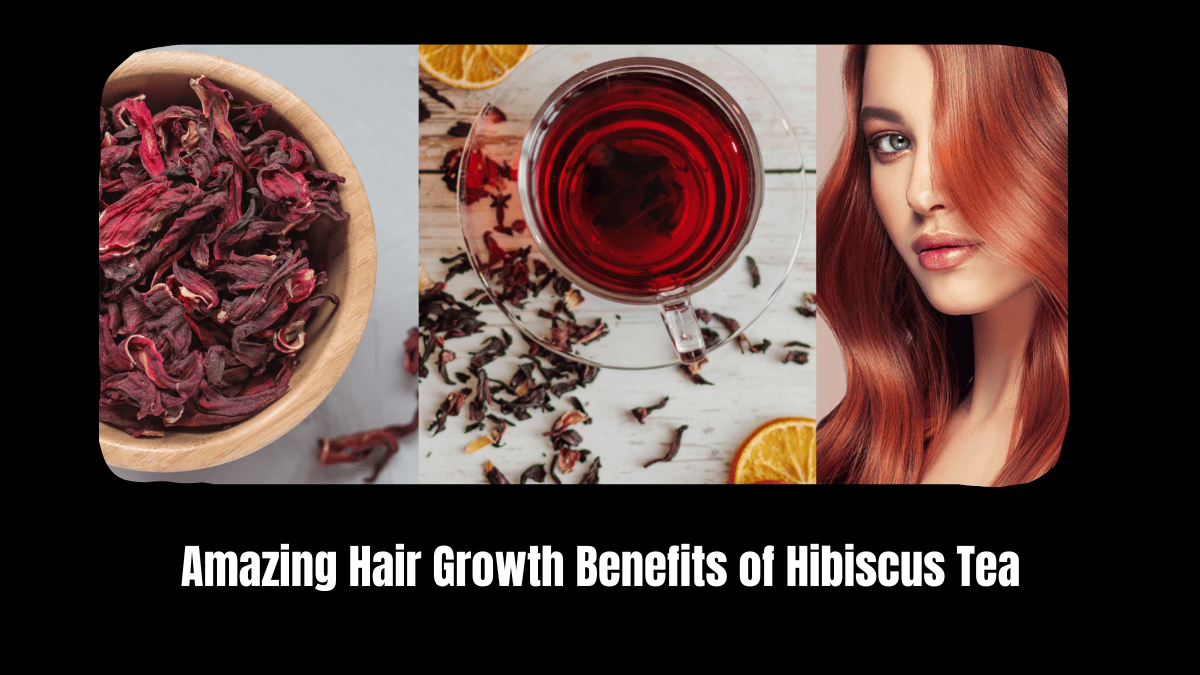
Hibiscus tea has many uses due to its brilliant red color and the rich source of vitamin C it provides. But did you know that this tea can also promote healthy hair? In this article, we will look at the benefits of hibiscus tea as well as its promotion of hair growth.
Hair and scalp health are promoted by hibiscus tea through antioxidant and vitamin C actions. At this point, vitamin C acts as an iron absorber, and antioxidants protect the scalp and keep it healthy because they prevent conditions such as dandruff.
How does hibiscus tea help grow hair?
As previously said, the hibiscus tea is known to be rich in vitamin C as well as antioxidants, making it a very effective health booster.
Another prominent role of vitamin C is that it increases the production of collagen in addition to boosting the immune system.
Collagen is found everywhere in the nails, bones, skin, and muscles, and, of course, in hair.
According to the Harvard School of Public Health, collagen production decreases drastically, which eventually leads to the formation of wrinkles on the skin and thinning, brittle hair.
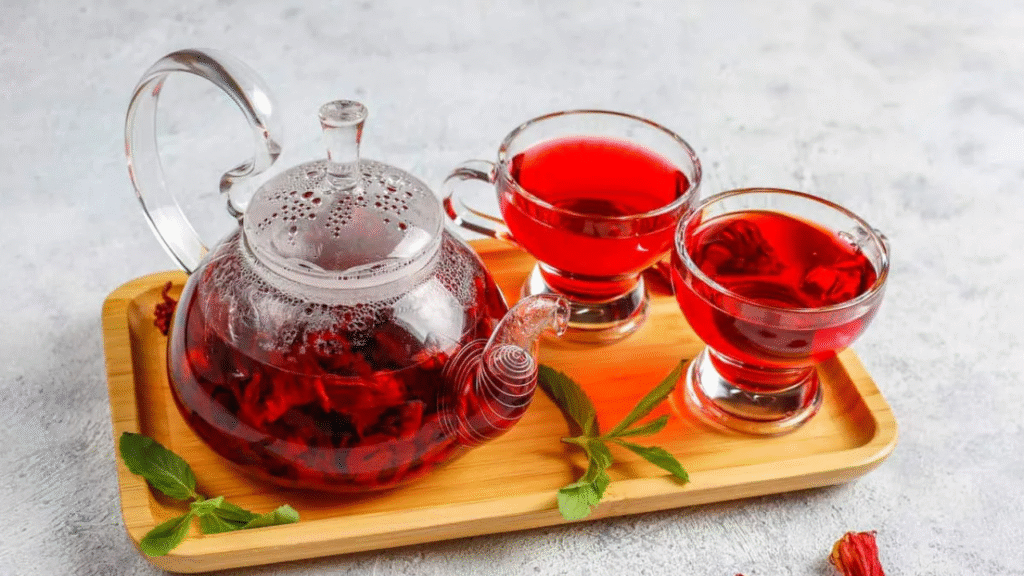
Fortunately, the consumption of foods that are rich in Vitamin C, such as hibiscus tea, makes it possible to acquire collagen naturally.
Benefits of hibiscus tea for hair
1. Hair Regrowth and Colour
According to a 2003 research study on the efficacy of Hibiscus rosa-sinensis, it was found that the plant can stimulate hair growth within 2 weeks in mice.
Hibiscus tea happens to be the richest source of vitamin c, which is vital for nutrition, leading to the synthesis of collagen, thereby aiding in the elongation of hair.
Apart from that, vitamin C is also important for iron absorption, and iron is important for blood circulation to the hair roots for healthy growth.
2. Dry Scalp
The benefits of hibiscus tea against hairfall also heal dandruff and dry scalp.
The 2017 publication highlighted the wound healing properties of Hibiscus through regeneration and hydration of the skin, which includes the scalp.
Further, increased consumption of hibiscus water would result in enhanced water intake, hence, ensuring hydration of the skin and scalp.
3. Hair Loss
Did you know that the hair follicle needs proteins, vitamins, and minerals to survive?
- Inadequate intake of vitamins such as vitamin C will result in hair loss.
- Vitamin C could be responsible for preventing further hair loss in women with low iron-induced hair loss.
- This occurs commonly in women who usually have heavy periods or women having a condition known as anemia.
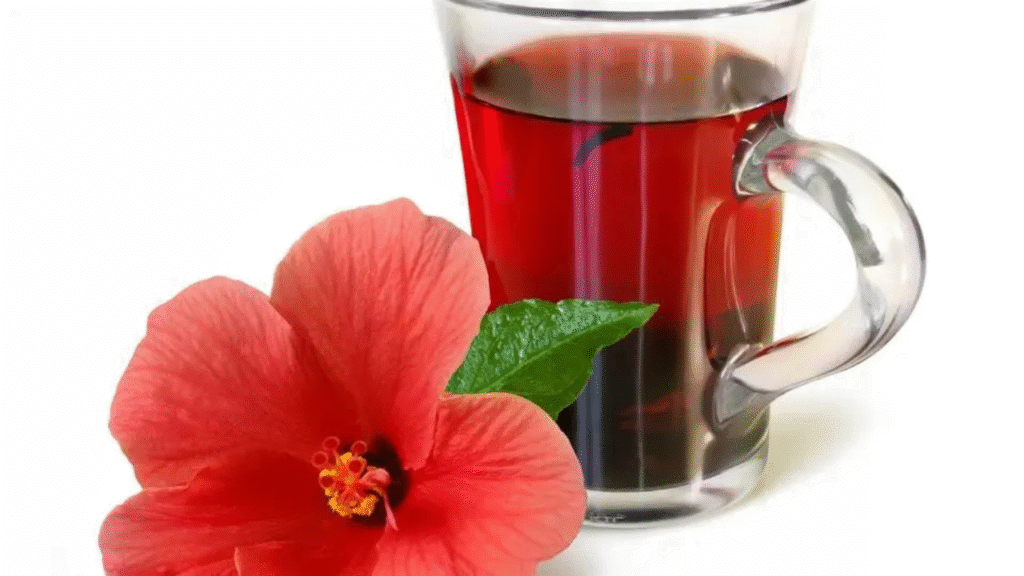
- The hibiscus, therefore, is a very effective way of increasing vitamin C uptake.
4. Prevents Premature Greying
Hibiscus tea stimulates collagen, and with age, this production diminishes.
Collagen is what prevents gray and thinning hair from developing too early.
5. Conditioning Of Hair
Hibiscus serves as a good conditioner for hair, applied topically or through tea.
This is largely because hibiscus hydrates and conditions both scalp and hair, thus preventing dryness and frizzy hair with its mucilage fiber.
Is Hibiscus Tea Safe to Drink Every Day?
Hibiscus tea is considered safe for daily consumption, as it is caffeine-free, sugar-free, and calorie-free.
However, individuals with certain conditions should strictly avoid hibiscus tea:
- Low blood Pressure- Hibiscus tea drinking throughout the day (up to 3 cups) can lower blood pressure by 7 points, so it is good for those who have high blood pressure, but can be dangerous for ones with low blood pressure.
- Malaria medication- Hibiscus tea was noted to interfere with chloroquine medications used for malaria treatment.
- With painkillers like acetaminophen, Hibiscus tea was indicated to interfere with Tylenol, which is basically acetaminophen.
- Diabetic patients- Drinking hibiscus tea might be responsible for lower blood sugar levels, which might prove fatal if it adds to the already present low levels of blood sugar
- Pregnancy- Hormones like progesterone have been known to go haywire when hibiscus is in the picture, which can be a risk during the first trimester, and thus it definitely stands to lose during this trouble. Pregnant women should stay away from hibiscus tea.
- Better speak to your doctor if you are in doubt about hibiscus tea, so as to limit its use.
Hibiscus Tea Recipes: Use Of It In Hair
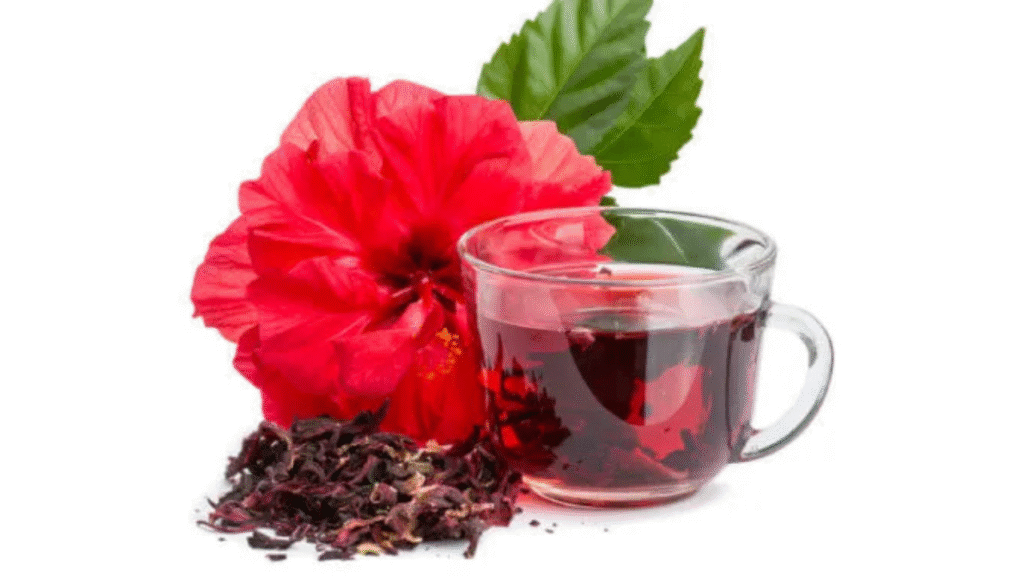
- Hibiscus tea, as its name suggests, is a flower made into a tea.
- Hibiscus tea can be purchased in regular teabags or made from the dried flower.
- Whichever way it is consumed, be it internally for the many health benefits of hibiscus tea, or applied to the hair, it will benefit the condition of the hair.
- If using tea from a teabag, steep it per the given instructions.
Be cautious not to steep longer, for bitterness will result; on the other hand, steeping for a shorter time will extract fewer health benefits from the tea. In the case of prepared tea, steeping time will usually be much less than making your own hibiscus tea, somewhere between 5-7 minutes.
How to Make Hibiscus Tea
- Either collect the fresh hibiscus flowers in full bloom from your garden or purchase dried hibiscus flowers.
- Separate the petals and dispose of the pollen and pistil found in the middle of the flower.
These parts are suspect on the hibiscus flower regarding consumption; hence, the proper thing is to stick with the petals when preparing tea.
- Combine 2 cups of fresh hibiscus flowers or ½ cup dried with 8 cups of water.
- Allow everything to come to a rolling boil on the stovetop.
- As soon as the water boils, take away the heat and allow it to steep.
- Steep hibiscus for 15-20 minutes. Feel free to add any other teas you want into the mix, such as lemongrass, oolong, mint-the list goes on!
- Fine-mesh strain your tea to prevent any of the tiny petals from escaping if you are going to use your tea for hair treatment.
- Drink your tea hot or chilled over ice.
Hibiscus tea can be useful for hair, not just through consumption but by applying it to the hair, using it as an oil, or making a paste out of it.
How to Use Hibiscus Tea in Hair
- Prepare your hibiscus tea based on the above method
- Allow it to cool to lukewarm, or cool to the touch
- After washing your hair, apply the tea to your scalp and hair, allowing it to soak into your hair and scalp
- You may leave the hibiscus tea on your hair for anywhere between 45 minutes to a few hours
- Rinse off the tea and continue to condition your hair as per normal
You can also make a paste with the hibiscus tea by crushing hibiscus flowers or using hibiscus powder. Then mix it into your choice of a healthy hair oil like jojoba oil, coconut milk, or aloe vera gel, and use it as a hair conditioning mask.
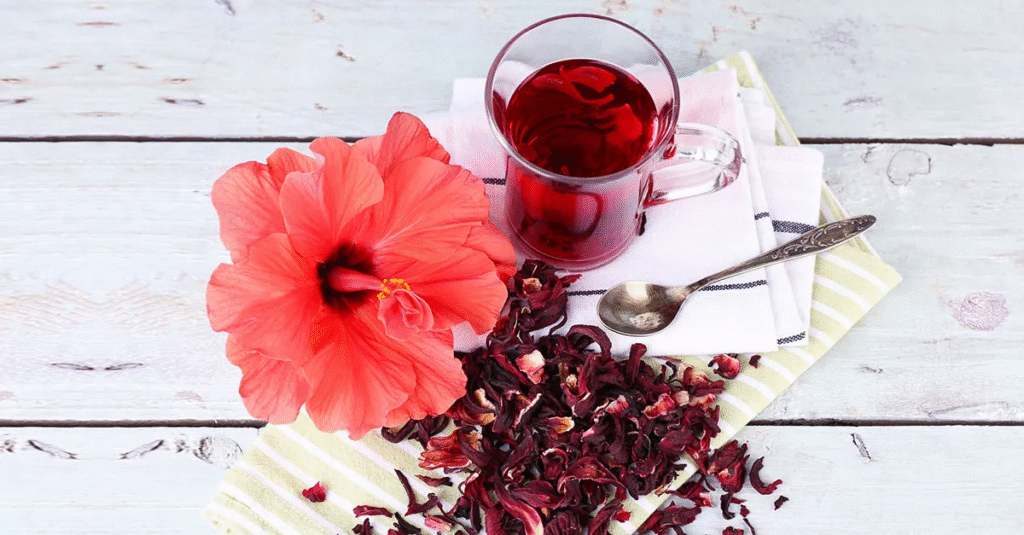
Should Blondes Stay Away from a Hibiscus Rinse?
Safe for use on hair, hibiscus has that beautiful red coloring offers a slight reddish tinge to graying or blonde hair while deepening the hues on darker hair.
Eventually, hibiscus will wash out of hair.
However, if you want to avoid going strawberry blonde (literally), you shouldn’t put hibiscus tea directly on or as a mask for your hair.
You can still take full advantage of everything hibiscus has to offer by drinking it through your favorite tea.
Conclusion:
In fact, the Hibiscus tea has been one of such herbal drinks used especially for some sedative purposes, but more or less a gift of heaven when it comes to hair health. The vitamins, antioxidants, and amino acids in hibiscus help to nourish hair roots, hence inducing growth, fighting dandruff, and stopping the hair from turning grey at an early age. Conditioning properties nourish the hair and make it look smooth, shiny, and easy to comb. It provides a safe and chemical-free way of helping you through a myriad of problems related to hair. To drink the tea or to rinse your hair using the tea would guarantee that your scalp is functioning well and grows for quite a long time. A regimen that backs hibiscus tea with more impressive power will make our hair stronger, more bouncy, and naturally beautiful!
FAQs:
Can hibiscus tea really help with hair growth?
Yes, hibiscus tea nourishes follicles, strengthens roots, and stimulates natural hair growth with its rich antioxidants and nutrients.
How often should I use hibiscus tea for hair?
Using hibiscus tea rinse twice weekly helps reduce hair fall, improve shine, and promote stronger growth.
Can drinking hibiscus tea improve hair health?
Yes, drinking hibiscus tea provides vitamins and minerals that support scalp health and encourage healthier, shinier hair from within.
Does hibiscus tea help with dandruff and an itchy scalp?
Hibiscus tea has antifungal and soothing properties that reduce dandruff, calm irritation, and restore scalp balance effectively.
Is hibiscus tea safe for all hair types?
Yes, hibiscus tea is natural, gentle, and safe for all hair types, offering nourishment without harsh chemicals or side effects.
Medical Disclaimer
The information provided on Health Tips India is intended for educational and informational purposes only. It should not be considered a substitute for professional medical advice, diagnosis, or treatment.
Always consult a qualified healthcare professional before making any health-related decisions or changes to your diet, exercise, or medical routine.

SamhithaHealth & Wellness Content Writer
a Health & Wellness Content Writer with over 6 years of experience creating research-based health articles. She specializes in nutrition, weight management, diabetes care, skin health, and healthy lifestyle practices. Here content is carefully written using trusted medical and scientific sources to ensure accuracy and clarity for readers.