

It has long been considered that the banana is the most popular fruit globally; its sugary sweetness combines extreme grace and nurture for numerous nutrients. The dark side, though, questions whether bananas are safe for a diabetic to digest or not. Yes, to some extent, they are titillatingly good to eat with a few good healthy habits. Bananas, in fact, are rich in potassium, vitamin B6, vitamin C, and fiber that promote cardiovascular health, digestion, and overall healthy living.
But is it best to eat them or not?
When we consume these natural sugars and carbohydrates, they will affect our blood sugar levels. How can we keep track and manage blood sugar levels while enjoying the nutritious fruit: by opting for slightly unripe bananas, keeping portion sizes in check, or combining with some protein or healthy fats?
How bananas affect blood sugar: The role of Glycaemic Index
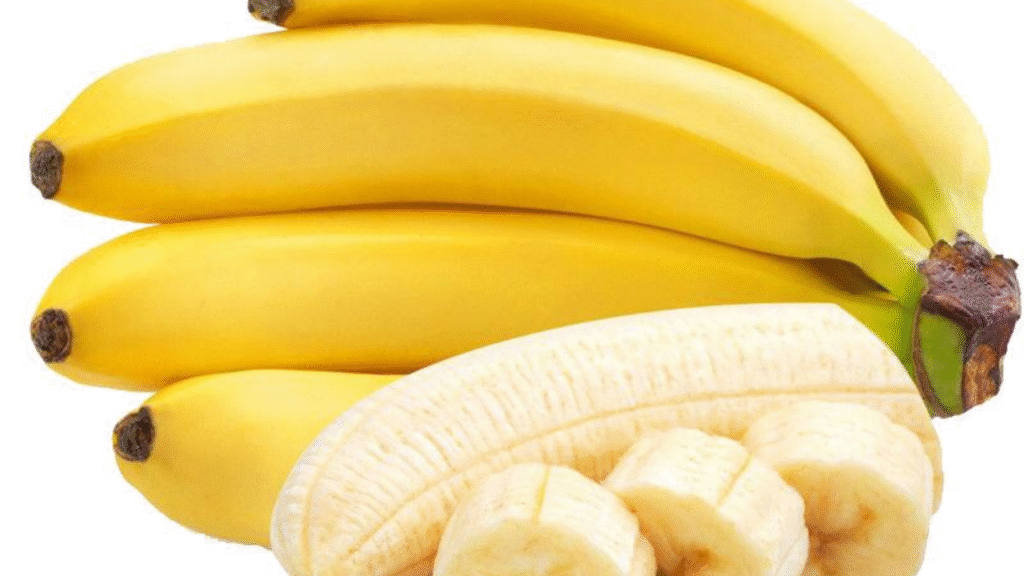
An interesting study published on ResearchGate looked at how ripe and unripe bananas affect postprandial glucose levels in healthy and diabetic adults. The findings demonstrate that ripeness makes a significant difference in the impact on blood sugar of bananas. This is primarily because the Glycaemic Index changes when the banana becomes ripe.
Green bananas have a relatively low GI of about 30–42, meaning that they elicit a slower cellular response; however, ripening has seen their GI increasing to 51–62, which is considerable enough. There will be a very high GI for riper varieties, and that is when blood sugar spikes rapidly.
We would advise people with diabetes to go for slightly underripe or perfectly ripe bananas. They release sugar gradually, preventing a hypoglycemic event.
Why bananas are known as diabetes-friendly
Bananas, despite their slight natural sweetness, find their way into a diabetes-friendly diet when you take them in small amounts. Their fiber slows down the process of sugar absorption, preventing quick spikes in sugar in the blood. Resistant starch, found mainly in unripe bananas, elevates sensitivity to insulin and, therefore, supports gut health.
With bananas, potassium and magnesium can also contribute to the regulation of blood sugar; these minerals are beneficial for heart health. In diabetics, heart health is as important as managing blood glucose, meaning bananas are a huge positive host if ingested carefully.
Banana content in nutrition
- High nutrition: The banana is high in nutrition, serving the body as a significant nutrient source. One of its greatest strengths is potassium, an imperative mineral in controlling blood pressure and regulating the heart function.|
- Simple Vitamin: It provides vitamin C, which boosts immunity and helps repair cells, and vitamin B6, essential for metabolism and nerve health.
- High dietary fibre: The existence of fibre in modern diets helps stabilize blood sugar. And as far as the sugar in bananas is concerned, it slows down the sugar absorption rate in the blood.
- Supply of antioxidants: They embody necessary antioxidants like dopamine and catechins, which have a role in preventing oxidative damage and inflammation.
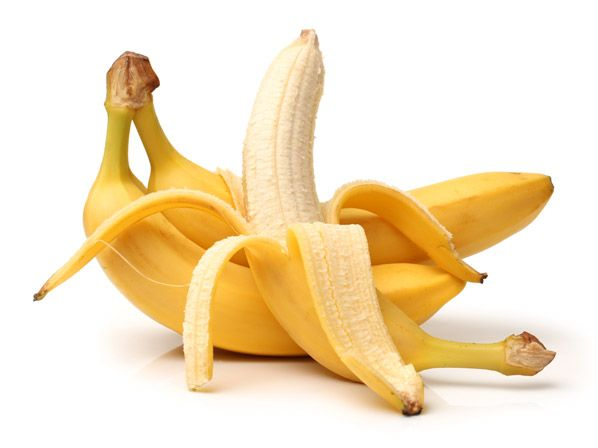
Why are slightly underripe bananas good for diabetes?
Slightly underripe bananas are particularly high in resistant starch: a kind of carbohydrate that behaves like fibre. Resistant starch improves gut health and could lessen insulin resistance. This quality can be terrific for people who are managing diabetes.
Best ways to eat bananas for the control of elevated blood sugar
When it comes to banana intake in general, especially for the diabetic, timing is of the essence. In many of their studies, it is shown that earlier eating of bananas at the pre-breakfast time of day is very useful because it permits the body to utilize that natural sugar much better due to a generally higher sensitivity of insulin in most bodies in the early morning. One should avoid having it on an empty stomach, as the lack of some heavy molecules would make the sugar all in one shot; proteins and fats in the diet normally seem to slow the absorption of glucose.
Smart tips for eating bananas with diabetes
Since you want to enjoy bananas without entirely shooting up your sugar readings, it might be wise to adhere to a couple of guidelines:
Opt for slightly underripe bananas because, at that stage, they contain lots more fibre and less sugar.
Watch your portion sizes. Normally, half a banana makes a good serving size for most diabetics.
Avoid overripe bananas. They contain the most sugar and the least fibre.
Combine them with protein or healthy fat; these help retard the absorption of sugar and thereby prevent spikes in glucose.
Nutrients of Banana: Nutritional Facts of Bananas

Nutritious, that is why bananas are the most favored seasonal fruits all over the world. Here’s what one medium-sized banana (about 118 grams) contains:
- Calories: ~105
- Carbohydrates: ~27 grams
- Added Sugar: ~14 grams
- Dietary Fiber: ~3 grams
- Protein: ~1 gram
- Fat: 0.3 gram
- Potassium: 422 mg (12% of daily needs)
- Vitamin C: 10% of daily requirements.
- Vitamin B6: 20% of daily needs.
- Magnesium: 8% of daily requirements.
Fatless and high in fiber, Bananas benefit good digestion and health in general. However, the carbohydrates in it and the sugar content are the major things that a diabetic needs to keep in mind.
Some Recommended Notes for Diabetic-Friendly Ways to Consume Bananas
- Half of a Banana with Peanut Butter
This protein-rich snack delays sugar absorption. - Banana in Oatmeal
Slice two bananas for that fibrous breakfast. - Banana Smoothies with Greek Yogurt
The yogurt’s protein decreases the sugar impact. - Green Unsweetened Banana Chips
These are made from almost-unripe bananas for low sugar content. - Banana with Nuts
The nuts’ healthy fats should balance the natural sugars in bananas.
Expert Opinion
- Nutritionists and diabetes experts both say:
- Bananas can be eaten, but in moderation.
- What also matters is the amount, timing, or combination with food.
- Diabetics shouldn’t focus on one fruit–rather, the focus should be on all carbohydrates for the day.
Key Takeaway
- Rich in nutrients, bananas provide fiber, potassium, and vitamins.
- They are moderately glycemic index fruits which raise blood sugar levels not as much as refined carbohydrates.
- The key is control: about half a medium to one small banana is a general serving size of safety, which depends on how small or big they are.
- Sugar content and ripeness: green bananas are better in diabetes management than overripe ones.
- To temper the spikes, eat bananas along with protein or healthy fat.
- Honestly, bananas are not diabetics’ worst enemy; they are just to be eaten wisely.
Conclusion:
Among those highly versatile and nutritious fruits, bananas are thus deemed something diabetics should not outright reject. As such, diabetics can take bananas without hesitation, provided they are sensible about portion sizes, choice of greener versus riper bananas, appropriate pairings with protein or healthy fat, and blood sugar monitoring.
The key to effective management of diabetes is not to be obsessed with avoiding any fruit but with the philosophy of a balanced diet, diversity, and mindful eating. Managing diabetes the right way with bananas can thus become an important part of diabetes-friendly eating.
FAQs:
Can people with diabetes eat bananas daily?
Yes, but in small portions. Half to one small banana daily is safe when paired with balanced meals.
Do ripe bananas raise blood sugar more than green bananas?
Yes, ripe bananas have higher sugar content and raise blood sugar faster than greener bananas, which contain more resistant starch.
What is the best time for diabetics to eat bananas?
Morning or before workouts, paired with protein or fat, is best to avoid sudden blood sugar spikes.
Are bananas better than other fruits for diabetics?
Bananas are fine in moderation, but lower-GI fruits like berries, apples, and pears are better for stable blood sugar.
How can diabetics prevent blood sugar spikes when eating bananas?
Eat smaller portions, choose slightly green bananas, and pair with protein-rich foods like nuts or Greek yogurt to slow absorption.
Medical Disclaimer
The information provided on Health Tips India is intended for educational and informational purposes only. It should not be considered a substitute for professional medical advice, diagnosis, or treatment.
Always consult a qualified healthcare professional before making any health-related decisions or changes to your diet, exercise, or medical routine.

SamhithaHealth & Wellness Content Writer
a Health & Wellness Content Writer with over 6 years of experience creating research-based health articles. She specializes in nutrition, weight management, diabetes care, skin health, and healthy lifestyle practices. Here content is carefully written using trusted medical and scientific sources to ensure accuracy and clarity for readers.