
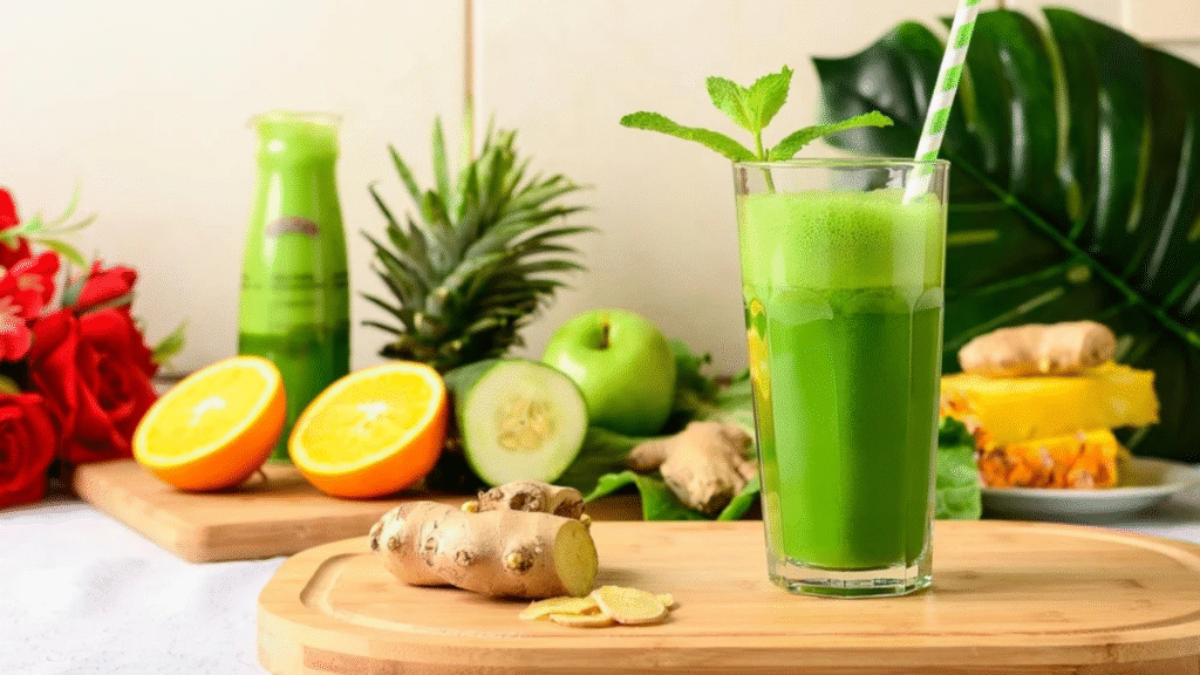
You don’t need expensive supplements or strict diets to keep your blood pressure in check and quiet chronic inflammation. New research and decades of clinical evidence show that certain everyday fruit juices—ones you can find in any supermarket—can meaningfully lower blood pressure and reduce inflammatory markers, often within weeks. These natural juices work thanks to high levels of polyphenols, potassium, nitrates, and antioxidants that relax blood vessels, improve endothelial function, and dial down systemic inflammation.
Here are the seven most powerful, science-backed fruit juices for blood pressure control and inflammation relief, plus exactly how to use them for maximum benefit.
1. Beet Juice – The Nitrate Powerhouse for Rapid BP Drops
Beet juice tops every list for natural blood pressure control because of its sky-high dietary nitrate content. Studies show 250 ml daily can lower systolic blood pressure by 8–10 mmHg in just hours, with effects lasting up to 24 hours. It also significantly reduces CRP (C-reactive protein), a key marker of inflammation.
2. Pomegranate Juice – Polyphenol King for Artery Health
Pomegranate juice is loaded with punicalagins and anthocyanins that inhibit ACE (the same pathway many BP meds target) and calm vascular inflammation. A 2023 meta-analysis found that drinking 150–300 ml daily lowered both systolic and diastolic pressure while dropping inflammatory cytokines.
3. Tart Cherry Juice – Melatonin + Anthocyanins for Nighttime BP Control
Tart (Montmorency) cherry juice naturally calms inflammation and has been shown to lower systolic blood pressure by 7 mmHg, especially when taken in the evening. Its melatonin content also improves sleep, which further supports healthy blood pressure.
4. Watermelon Juice – L-Citrulline Booster for Vessel Relaxation
Fresh watermelon juice from watermelon (especially the white rind) is one of the richest sources of L-citrulline, which converts to L-arginine and nitric oxide in the body. Trials show 300–500 ml daily reduces blood pressure in pre-hypertensive adults and cuts arterial stiffness.
5. Blueberry Juice – Anthocyanin Bomb for Endothelial Function
Wild or regular blueberry juice delivers a concentrated dose of anthocyanins that improve blood vessel dilation and reduce oxidative stress. Research in the American Journal of Clinical Nutrition found 200 ml daily lowered systolic BP by 5–6 mmHg and reduced inflammation markers.
6. Orange Juice (With Pulp) – Hesperidin + Potassium Combo
Real 100% orange juice with pulp provides hesperidin, a flavonoid that relaxes blood vessels, plus 500+ mg potassium per glass. Long-term studies show moderate daily intake (250–500 ml) supports healthy blood pressure and lowers systemic inflammation.
7. Cranberry Juice (Unsweetened) – Proanthocyanidins for Vascular Protection
Pure, unsweetened cranberry juice helps prevent urinary tract infections and also reduces blood pressure and inflammation through its unique A-type proanthocyanidins. An 8-week trial showeda 240 ml daily reduction in diastolic pressure and oxidized LDL.
Start with just one 200–300 ml serving per day of any of these juices (preferably fresh or 100% pure, low-sugar versions) and rotate them throughout the week for the broadest anti-inflammatory and blood-pressure-lowering benefits.
FAQs
How much fruit juice should I drink daily to help control blood pressure?
Most studies show benefits from 200–300 ml (about one glass) per day. More isn’t necessarily better due to natural sugars.
Is store-bought juice as effective as fresh?
Look for 100% pure, not-from-concentrate versions with no added sugar. Fresh is best, but cold-pressed bottled juices retain most active compounds.
Can these juices replace my blood pressure medication?
No, they are powerful natural helpers, but never stop prescribed medication without consulting your doctor.
Medical Disclaimer
The information provided on Health Tips India is intended for educational and informational purposes only. It should not be considered a substitute for professional medical advice, diagnosis, or treatment.
Always consult a qualified healthcare professional before making any health-related decisions or changes to your diet, exercise, or medical routine.

SamhithaHealth & Wellness Content Writer
a Health & Wellness Content Writer with over 6 years of experience creating research-based health articles. She specializes in nutrition, weight management, diabetes care, skin health, and healthy lifestyle practices. Here content is carefully written using trusted medical and scientific sources to ensure accuracy and clarity for readers.