
Why fat loss in men is different
It is necessary to understand that men’s bodies function somewhat differently compared to women’s bodies when losing fat. These are the differences:
- Men tend to have more muscle mass and a greater basal metabolic rate (BMR) than women. So even when you’re not moving, you burn a few more calories than women. But the hormones and fat storage patterns (where the fat tends to be stored) are a little different, so there are some obstacles. Men carry more visceral fat (around the intestines). This type of fat is metabolically more active—in some instances it is simpler to lose, above all with healthy habits and correct training. But yes, it can grow fast if the way of life and diet aren’t adequate.
- Hormones such as testosterone, insulin sensitivity, cortisol, etc. play an important role. If you sleep less or stressed, these hormones become upset and it becomes difficult to lose weight. So it’s not just your diet or exercise, but also plays a role in sleep, mental stress and daily routine.
It’s worth noting these things so that you select the things that are best for your body—strength exercises, balanced eating, proper rest, etc.—so that you maximize your strength and don’t lose it.
8 Helpful Fat Loss Tips for Men
Resistance Training and Preserving Muscle
It’s extremely crucial for men not to lose muscle when they lose fat. By keeping muscle, the body consumes more calories even at rest. Do heavy workouts 2-4 days a week—like squats, deadlifts, and bench presses, increasing weight gradually (progressive overload) and not daily. This way, testosterone/hormones are kept better.
Balance HIIT and intelligent cardio
High-intensity interval training (HIIT) works outstanding for lowering fat, particularly visceral fat. But it is vital to balance it out because it places lots of stress on the frame. For example, do a little periods severe, and for the relaxation, do slight or light aerobic like strolling or cycling. This will reduce stress on joints and prevent injury.
Create a moderate and sustainable calorie deficit.
Overcutting can cause loss of muscles, energy loss, and hunger and craving. So eat about 10-20% fewer calories than you burn—it’s best. And the foods should be filling and healthy, and you can follow them for many years.
Max out protein consumption.
Men require a lot of protein to maintain muscle during fat loss. Protein makes you feel satisfied quicker, regulates appetite, and sustains muscle tissue. The target is going to be around 1.6-2.2 grams of protein per kilogram of body weight, or around 0.7-1 gram per pound, depending on the level of activity. Sources of protein: chicken, fish, eggs, dairy, lentils, beans, etc.
Enhance sleep and decrease stress

Poor sleep and ongoing stress are the foes of fat loss. When sleep is brief or interrupted, cortisol levels rise, thereby growing appetite and making the body more susceptible to fat storage. Attempt to get 7-9 hours of good quality sleep daily. Meditation, deep breathing, a preferred activity, or hanging out with family and friends can be helpful in lessening stress.
Be strategic about timing and combinations of food and drinks.
What you eat, how you eat, and when you eat are all important. For instance, some recent research indicates that time‑restricted eating, like finishing dinner early and shortening the eating window, enhances insulin and glucose regulation. Starting with a morning protein breakfast might suppress mid-afternoon-evening cravings. Add protein, fiber, and healthy fats to meals to be satiated longer, cutting down on snacking.
Eat whole and less-processed foods, and cut down on added sugar.
Raw vegetables and fruits, whole grains, muscle-building protein, and nuts and seeds. Processed foods tend to be highly caloric, very low in nutrients, and low in fiber. Drink or snack less with added sugar. These dietary changes are more likely to be sustainable if made gradually—no starvation, no loss of taste.
Increase NEAT
It’s worth adding little activities during the day, not only at the gym—standing during work, walking, climbing stairs, doing little housework, and taking a short walk during breaks. These ‘little things’ sum up a major effect, particularly when you’re cutting down scheduled exercise or have rest days.
New research and trends for 2025
- Timing effect: Certain research has discovered that consuming food early in the evening or maintaining the eating window in the morning part of the day decreases belly fat and issues related to diabetes.
- Certain special protein sources such as pistachios are also becoming more popular. Apart from delivering protein, they also have healthy fat, fiber, and antioxidants, which aids in losing fat.
- Significance of exercise sequence: Certain emerging research indicates weight training first and then cardio results in greater fat oxidation (burning of fat) because energy used by the muscles is used first and fat is utilized later.
- Hormonal correction: In obese or overweight individuals, weight loss drugs like GLP‑1 agonists (e.g., semaglutide) are yielding outcomes. Not only do they cause weight loss, but their use also enhances testosterone levels, insulin sensitivity, etc.
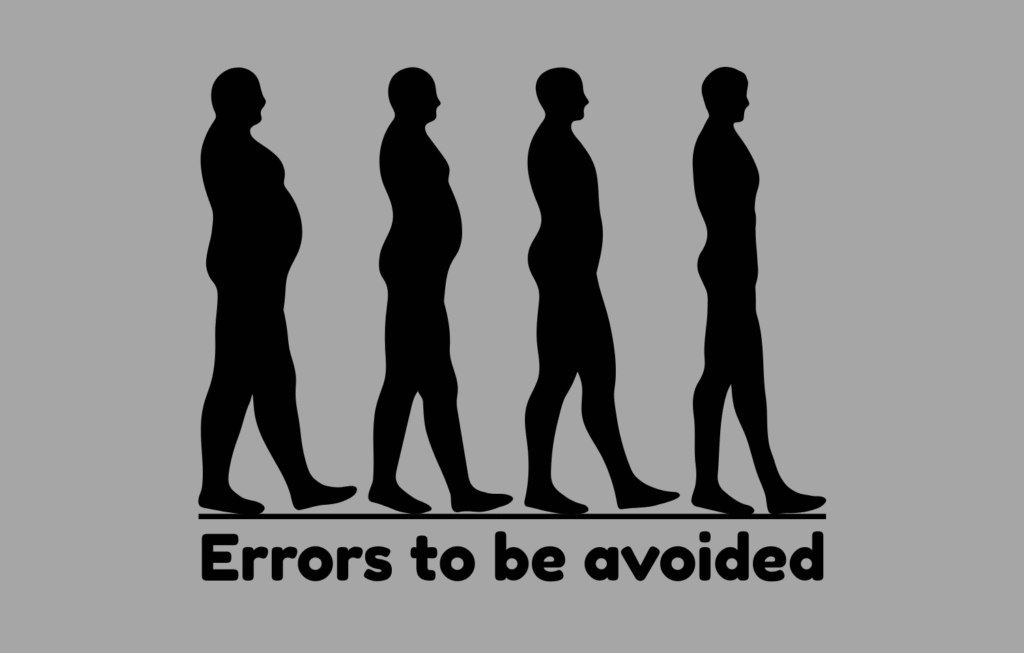
Errors to be avoided
- Weight loss too quickly: It may cause loss of muscle mass, weakness, fluctuations in energy levels, and adverse long-term health consequences.
- Ignoring recovery: Too much or too hard exercise with too little rest can harm muscle, raise the risk of injury, and slow progress.
- Taking hidden calories lightly: Sauces, oils, snacks, and sweetened drinks are easy to overlook but add a great deal of calories.
- Too restrictive diets: If the guidelines are too strict, don’t accommodate your lifestyle, or exclude taste, social life, etc., it would be difficult to follow in the long term.
- Comparing to others: You might have different age, genes, prior health history, and body composition. What suits one does not always suit all. It is necessary to chart according to your own knowledge.
How to do it: A sense of how to begin the plan
- Initial 1-2 weeks: Look at your diet—what you’re consuming, how much, and how much protein you’re taking in. Cut out sweetened drinks and add more protein sources. Begin weightlifting 3 times per week.
- Weeks 3-6: Introduce HIIT sessions (one or two per 1-2 weeks), in addition to cardio or light walking. Restrict the time of meals; have light eating in the evening. Prioritize sleep, and limit screen time in the evening.
- Weeks 7-10: Intensify exercise, add weight or reps/sets. Increase walking during the day, boost NEAT. If weight loss plateaus, make minor changes in food or calories.
- Weeks 11-12: Observe which were habits and which were hard. Maintain balance in what you eat; sometimes you might want a favorite food, but don’t allow the balance to be lost. Go for a medical checkup if needed.
Conclusion
True fat loss success awaits men who don’t move too quickly or cut too hard but who instead make changes that can be sustained. Men will profit if they prize muscle mass, maintain a balanced diet, sleep adequately, manage stress, and include regular moderate exercise in their regimen. Recent 2025 research indicates that time period, workout schedule, and hormones do count.
FAQs
Why is fat loss different for men compared to women?
More muscle and higher metabolism but more visceral fat in men. Other hormones such as testosterone, cortisol, and insulin sensitivity play a role as well in how the fat is lost.
What is visceral fat and why does it matter?
Visceral fat encircles organs and is more metabolically active. It’s simpler to lose through exercise and health eating but can expand rapidly with bad habits or excessive stress.
How do hormones influence men’s fat loss?
Testosterone, cortisol, and insulin hormones regulate metabolism, fat storage, and hunger. Inadequate sleep, stress, and aging can derail them, slowing down fat loss.
Medical Disclaimer
The information provided on Health Tips India is intended for educational and informational purposes only. It should not be considered a substitute for professional medical advice, diagnosis, or treatment.
Always consult a qualified healthcare professional before making any health-related decisions or changes to your diet, exercise, or medical routine.

SamhithaHealth & Wellness Content Writer
a Health & Wellness Content Writer with over 6 years of experience creating research-based health articles. She specializes in nutrition, weight management, diabetes care, skin health, and healthy lifestyle practices. Here content is carefully written using trusted medical and scientific sources to ensure accuracy and clarity for readers.