
Introduction
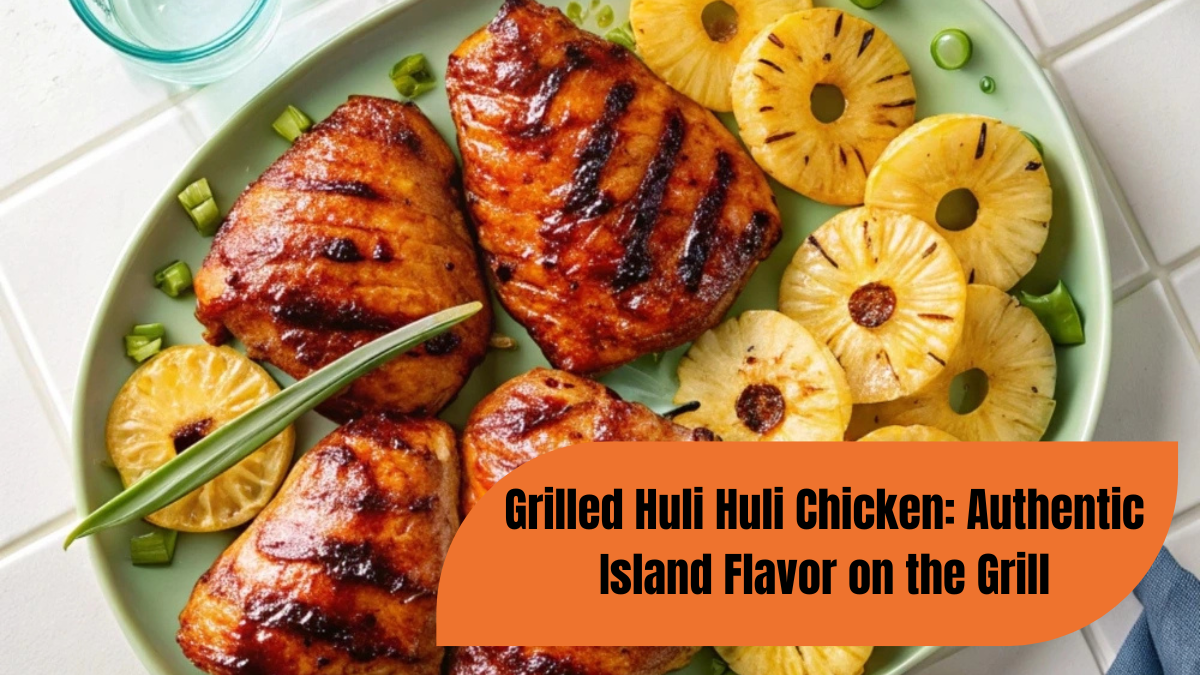
Transport your backyard barbecues can use Grilled Huli Huli chicken to create authentic Hawaiian barbecue flavors. The dish contains grilled chicken which chefs cook with pineapple-soy glaze and they apply multiple times throughout the cooking process until it reaches its sweet caramelized taste. The Hawaiian term Huli Huli translates to turn turn which describes the method of continuously flipping food above open flames to create its appealing charred taste and sticky glaze. The traditional dish which originated at a farmer’s gathering in the 1950s has become an essential part of luaus and fundraising events and backyard barbecues across the country. The easy recipe for Huli Huli chicken enables you to create real Hawaiian barbecue at your summer barbecue or any time you desire tropical Hawaiian taste. The complete Hawaiian barbecue experience requires rice and mac salad and grilled pineapple as serving dishes.
The marinade/glaze recipe creates enough sauce to marinate 3 to 4 pounds of chicken:
The sauce requires these ingredients:
- 1 cup pineapple juice (unsweetened for best flavor)
- ¾ cup low-sodium soy sauce
- ¾ cup packed light brown sugar
- ½ cup ketchup
- ⅓ cup chicken broth (or water)
- ¼ cup apple cider vinegar (or rice vinegar)
- 1 tbsp fresh grated ginger (or 1 tsp ground)
- 4–6 garlic cloves, minced
- 1–2 tsp sesame oil (optional for extra depth)
- The recipe gains mild spiciness from adding either ½ teaspoon black pepper or red pepper flakes.
For the chicken:
- 3–4 lbs bone-in, skin-on chicken thighs (or drumsticks, breasts, or whole chicken halves—thighs stay juiciest)
- Fresh pineapple slices for grilling (optional but highly recommended)
For serving:
- Steamed white rice or Hawaiian sticky rice
- Macaroni salad
- Green onions, sliced (for garnish)
Step-by-Step Instructions
Prepare the marinade
The medium bowl needs you to whisk pineapple juice with soy sauce and brown sugar and ketchup and chicken broth and apple cider vinegar and grated ginger and minced garlic and sesame oil until the sugar dissolves and everything becomes smooth. The sweetness needs adjustment through more brown sugar if you prefer sweet flavors while more vinegar should be used for tartness. You must reserve ¾–1 cup of the marinade into another bowl because this portion will become your basting glaze which should never be used to touch chicken after contact with raw chicken.
Marinate the chicken
The chicken pieces need to be positioned in either a large zip-top bag or a shallow dish. The chef must apply the main marinade to the chicken to ensure complete coverage of all chicken parts. The chef must seal the container before placing it in the refrigerator for a minimum of 4 hours which he prefers to extend between 8 to 24 hours, whereas he must avoid keeping it beyond 8 hours because of full-strength soy usage, which leads to excessive salt intake. The chicken needs to be turned from time to time to achieve equal absorption of flavors.
Prep the grill
The grill requires preheating to medium-high heat which equals 375–400°F. The restaurant needs you to bring in either soaked mesquite or kiawe wood chips to achieve authentic smoky flavor. You need to establish your indirect grilling setup through one side which provides hot/direct heat while the other side offers cooler/indirect cooking space. The grill grates require light oil application to create a barrier against food sticking.
Grill the chicken
The chicken needs removal from marinade because you must discard the used marinade while you should pat the chicken with light pressure to achieve better char results. The chef needs to place the skin-side of the chicken onto direct-heat section for 5–7 minutes to achieve proper searing while developing desirable grill patterns. The head chef must flip the chicken through the huli! command to transfer it to indirect heating. The cooker must close the grill while he flips the food every 5–7 minutes and applies reserved glaze for basting. The cooking process requires 25–40 minutes to complete while chefs should monitor the chicken until it reaches 165°F in the thickest section because thighs typically achieve 170–175°F, which results in better skin texture and moisture retention. The chef should return to direct heat for caramelization purposes during the last 5–10 minutes of cooking while he needs to observe closely to prevent burning of sugary glaze.
Grill pineapple (optional but delicious)
The chicken must rest while the chef needs to brush fresh pineapple slices with reserved glaze or oil before grilling which he should do for 2–3 minutes on each side until the fruit becomes caramelized and creates juicy results.
Rest and serve
The chicken requires a rest period of 5 minutes while covered with foil. The dish needs green onion segments as garnish. The restaurant serves its main dish in hot condition with additional glaze for customers to use alongside steamed rice with pan drippings, macaroni salad, and beautiful grilled pineapple rings.
Tips for the Best Grilled Huli Huli Chicken
- The most authentic juicy chicken texture and flavor comes from using bone-in skin-on thighs which have better results than breasts that need shorter cooking times because they dry out.
- The signature sticky glossy glaze develops through the process of basting multiple times which should not be skipped.
- The backup baking method requires marinated chicken to be cooked at 375°F for 35 to 45 minutes with basting and broiling performed during the last minutes.
- You can prepare the meal in advance by marinating it for 24 hours while the glaze can be stored in the refrigerator for 3 to 4 days.
- The low-sodium alternative requires you to use reduced-sodium soy sauce with a gradual taste test because pineapple contains natural sweetness.
- The fridge can maintain leftover food quality for 3 to 4 days and you should reheat it using the grill or microwave with a small amount of water.
Conclusion
Grilled Huli Huli Chicken provides more than a meal because every sweet-savory smoky bite takes you to Hawaiian beaches. This basic recipe creates a special grilling experience which people use both for family luau parties and their regular weeknight meals. Start your grill and practice your “huli huli” flips while the pineapple-soy blend creates its magical effects. People have loved this Hawaiian barbecue dish since the 1950s which became a popular fundraising item. Enjoy grilling in the spirit of Aloha.
FAQs:
What does “Huli Huli” mean and why is the chicken called that?
“Huli Huli” means “turn turn” in Hawaiian. The name comes from constantly turning and basting the chicken on the grill to create an even, caramelized glaze.
Can I make Huli Huli Chicken without a grill?
Yes! Bake marinated chicken at 375°F (190°C) for 35–45 minutes, basting frequently. Finish under the broiler for 2–3 minutes to get that signature charred, sticky exterior.
How long should I marinate the chicken?
Marinate for 4–24 hours in the refrigerator for best flavor. Avoid going beyond 24 hours, especially with full-strength soy sauce, to prevent the meat from becoming too salty or mushy.
What should I serve with Grilled Huli Huli Chicken?
Classic Hawaiian sides include steamed white rice (or sticky rice), creamy macaroni salad, grilled pineapple slices, and a fresh green salad. It’s perfect for a complete island-style plate lunch.
Medical Disclaimer
The information provided on Health Tips India is intended for educational and informational purposes only. It should not be considered a substitute for professional medical advice, diagnosis, or treatment.
Always consult a qualified healthcare professional before making any health-related decisions or changes to your diet, exercise, or medical routine.

SamhithaHealth & Wellness Content Writer
a Health & Wellness Content Writer with over 6 years of experience creating research-based health articles. She specializes in nutrition, weight management, diabetes care, skin health, and healthy lifestyle practices. Here content is carefully written using trusted medical and scientific sources to ensure accuracy and clarity for readers.