
Introduction
Stress is a universal fact in today’s busy and responsible life. But do you know that chronic stress can quietly harm your heart? When you’re stressed out, your body basically floods itself with stuff like cortisol and adrenaline. Those hormones? Not your friends in high doses. They jack up your blood pressure, mess with your blood sugar, and basically light a little fire of inflammation inside you. Add it all up, and yeah, your risk for heart disease and stroke shoots way up. Not exactly a fun time.
The effect of stress has been seen more, especially in women. They take more time to recover from heart-related problems, and the effect of mental stress on the heart can be more serious.
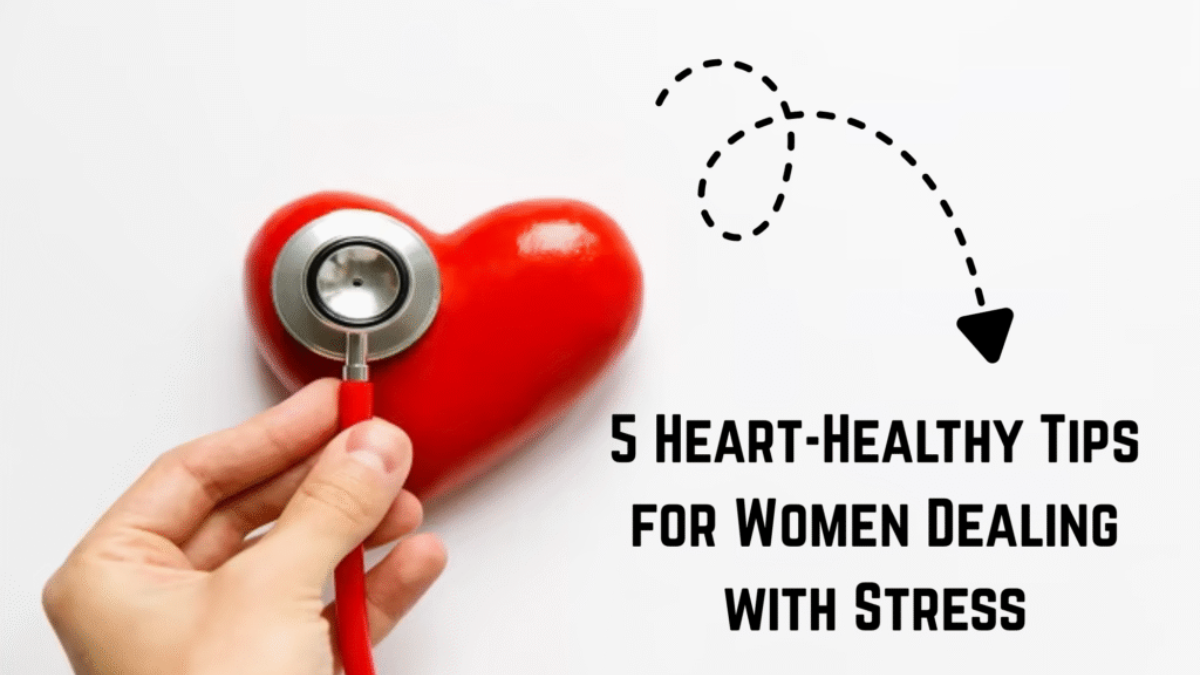
Now let’s know about 5 such easy and effective ways that every woman can include in her life so that the heart can be kept healthy even while fighting stress.
1. Stay connected with your loved ones — don’t be lonely.

Why it actually matters: Look, when life gets wild and stress comes knocking, a lot of us just ghost everyone, right? But honestly, locking yourself away? Not doing your health any favors, trust me. You end up picking up trashy habits—chain-smoking, inhaling junk food, or just becoming a total couch potato. Next thing you know, your heart’s waving a tiny white flag. Yeah, not exactly the vibe you want.
What to do:
- Hang out with friends or relatives — chat, laugh, and express emotions.
- Take part in walking clubs, book clubs or a social club.
- If you’re feeling gloomy in heart, don’t miss talking to the person you confide in. Talking sometimes also brings peace to the heart.
Did you know? It has been found in a study that women who have at least 3 supportive friends have approximately a 30% lesser chance of heart disease.
2. Exercise your body once in a while; remain active.

Why is it necessary? We sit for hours under tension or become totally idle under the guise of providing ourselves with rest. But a bit of walking is also good for the heart. Exercise not only lowers stress but also keeps blood pressure and cholesterol in check.
What to do:
In a week, do at least 150 minutes with light cardio activity , such as fast walking, cycling, dancing, etc. If the time is not allowed, a strong physical activity of 75 minutes can also be done.
Walk for 2 minutes and stand for 8 minutes after each 20 minutes of sitting. It is referred to as the “20‑2‑8 rule”.
- No time? So even if it is for just 5-10 minutes a day, do some light physical activity – such as stretching, going up and down stairs or house cleaning.
3. Implement mindfulness to overcome stress

Why it actually matters: Mindfulness is basically tuning in to your own brain—thoughts, feelings, the whole chaotic mess—without roasting yourself for what pops up. It chills you out, turns down the mental static, and yeah, your heart might just thank you too.
What to do:
Add meditation, slow breathing, or yoga to your daily life.
- Avoid mobile, news or social media for 10–15 minutes daily. Use a small “Gratitude Journal” where you report 3 matters each day for which you are grateful.
- Set apart some time for your self multiple days every week — examine a favorite book, listen to song, move gardening or be creative.
4. Consume a balanced and healthy diet — calm your heart and mind

Why it matters: Seriously, when life gets chaotic, who doesn’t dive headfirst into the snack stash or smash that “order now” button for some greasy takeout? Those chips and cookies? Yeah, they’re just making your insides throw a tantrum and basically giving your heart the finger. Meanwhile, if you actually bother with real food—like, you know, stuff with vitamins—your body’s way happier and, weirdly enough, your mood perks up too. Wild, but apparently broccoli’s out here doing double duty as a mini shrink. Who’d have guessed?
What to do: Make positive your weight loss plan includes fruits, veggies, entire grains, protein resources (along with fish, eggs, and lentils), and healthy fats (inclusive of omega-three, almonds, and walnuts). Instead of cold liquids or juice packs, sip on water or lemonade.
Keep end result, nuts, or homemade, healthy snacks reachable. While operating out of doors or inside the workplace, put together a nutritious tiffin so that you have a satisfying meal when you need it.
5. Have good and full sleep — both stress and fatigue relief

Why it is important: Sleep deprivation reasons strain and disrupts sugar and blood pressure and hormone stability—which straight away damages coronary heart fitness. Sleep rests the body and revives the brain.
What to do:
- Attempt to have 7 to 9 hours of sleep per day.
- Switch off screen time (mobile/TV) 1 hour prior to sleeping and get ready for sleep in a relaxed setting.
- When you are tired in the daytime, shut your eyes and relax for a few minutes — these micro-breaks work marvellously. During times of stress, the body’s “fight or flight” system becomes active, which can increase heart rate and blood pressure rapidly.
- Ignoring it for a long time can be dangerous. In the latest beyond, a 45-year-antique lady, who turned into a mother of 3 and really active, suffered a coronary heart attack resulting from pressure.
- The docs indicated that the reason for it turned into a circumstance referred to as SCAD – i.e., stress-related heart disease.
- This case illustrates that merely being active will not do, but stress control is also necessary.
At last: Small habits, big impact
Stress will never totally leave your life — but you can channel it. If you incorporate these 5 things into your daily routine:
✅ Develop healthy relationships
✅ Take a walk or exercise lightly each day.
✅ Meditate and calm down.
✅ Eat a healthy diet.
✅ And sleep well.
Then the heart will naturally be strong and healthy.
You are in control of your health.
FAQs
How does chronic stress impact a woman’s heart?
Chronic stress raises cortisol and adrenaline levels, causing high blood pressure, inflammation, and hormonal imbalance, drastically increasing the risk of heart disease and stroke among women.
Can loneliness actually impact heart health?
Yes. Social isolation promotes unhealthy coping mechanisms such as smoking or overeating. Research indicates women with strong friendships have a 30% reduction in heart disease.
How much exercise is sufficient to contribute to heart health?
Target 150 minutes of light cardiovascular activity a week, or 75 minutes of vigorous exercise. Even 10 minutes of movement each day—such as walking or stretching—can reduce stress and be good for the heart.
Medical Disclaimer
The information provided on Health Tips India is intended for educational and informational purposes only. It should not be considered a substitute for professional medical advice, diagnosis, or treatment.
Always consult a qualified healthcare professional before making any health-related decisions or changes to your diet, exercise, or medical routine.

SamhithaHealth & Wellness Content Writer
a Health & Wellness Content Writer with over 6 years of experience creating research-based health articles. She specializes in nutrition, weight management, diabetes care, skin health, and healthy lifestyle practices. Here content is carefully written using trusted medical and scientific sources to ensure accuracy and clarity for readers.