

Our heart is an engine for the body. It works unfaltering, pumping blood that fuels the entire body. If our hearts work properly, we can remain energetic, happy, and healthy for long. Fast-paced living, stress, fast foods, and no physical exercises have taken a great toll on the heart’s health.
Doctors often tell folks that riding a bicycle, walking, or other cardiovascular exercises make their hearts stay healthy. However, yoga holds equal importance and is an easy way to strengthen the heart, improve circulation, and relieve stress. Something unique about yoga is that it makes your body strong and calm with it.
This article, therefore, will discuss in detail why yoga should be good for the heart and introduces seven yoga poses for all to do toward making their hearts strong and healthy. It will also provide the instructions on how to perform the asanas, benefits, key tips, and precautions.
Why Yoga is Great for Heart Health
Yoga is not strictly about making the body more flexile or shedding extra pounds. It involves keeping the heart and mind in balance. Let us see, in simple terms, how yoga benefits the heart.
- Stress and Anxiety Reduction: These days nearly everyone is plagued with anxiety and stress. Excessive stress brings on the hormone cortisol, causing an increase in heart rate and heart problems that can last through life. Yoga calms the mind; deep breathing lowers the stress chemicals, thus, strengthening the heart.
- Improves Circulation of Blood: In most of the yoga asanas or poses, stretching occurs, which aids the blood in circulation. The greater the blood circulation, the better the oxygenated blood reaches to every part of the body and less the burden on the heart.
- Controls Blood Pressure: Hypertension is one of the most common reasons for heart diseases. The yoga asanas gradually bring the blood pressure to normal. Deep breathing technique dilates the blood vessels and increases blood flow.
- Maintains a Healthy Weight: In short, person implies heart. More weight means more risk for heart disease and blood pressure. Yoga asanas help burn calories and keep up one’s metabolism for healthy weight maintenance.
- Enhances Stamina: Consistent practice of yoga keeps the heart rate balanced and the body tougher against activity. That is, you will not get tired even with minor activities.
7 Most Important Yoga Poses for a Strong Heart
1. Tadasana (Mountain Pose)

How to Do It:
- Stand erect and place your feet together.
- Relax your shoulders and maintain a straight body.
- Now, on taking a deep breath, lift your arms over your head, palms facing towards each other.
- Press heels and push your whole body upwards.
- Look ahead and hold for 30 seconds to 1 minute.
Benefits for Heart:
- Improves body posture and enhances circulation of blood.
- Deep breathing infuses more oxygen into the heart.
- Increases the strength of the muscles of legs and back.
Tip: Breathe long and deep while performing this pose. If balancing is difficult, stand with slightly separated legs.
2. Setu Bandhasana (Bridge Pose)
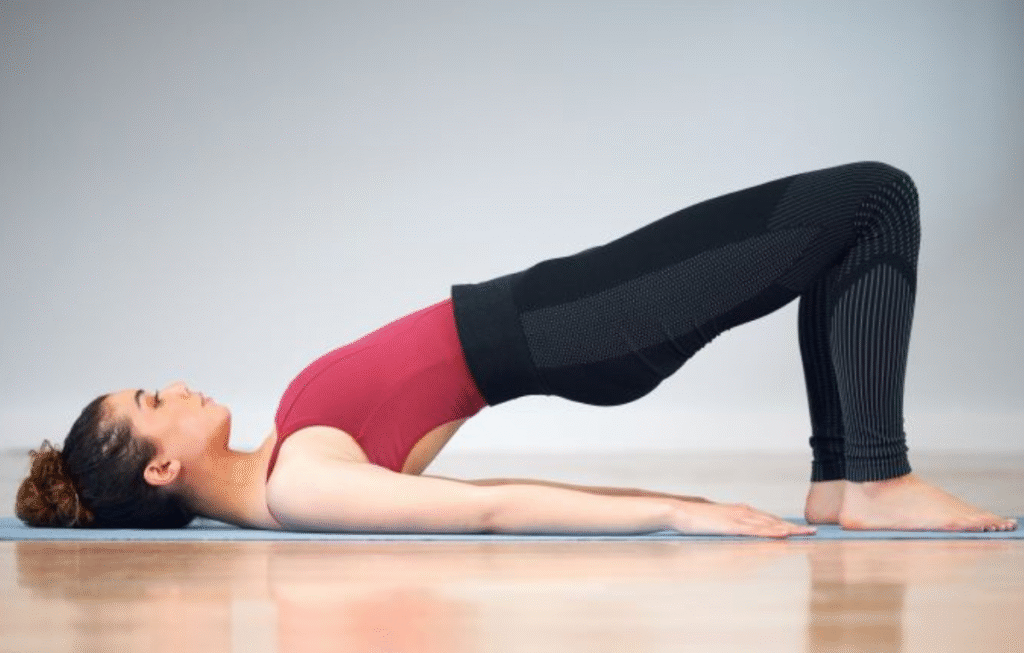
How to Do It:
- Lying supine; the knees bend, and the feet rest on the floor; the arms remain beside the body.
- Now, with the support of your arms and feet, very slowly lift your waist and back from the ground while keeping your shoulders down and clasping your hands, if desired.
- Maintain this pose anywhere between 30 seconds and a minute.
Benefits for Heart:
- It is a superb chest and lung opener and is, therefore, conducive to increased oxygen uptake.
- It stimulates the Thyroid Gland, which supports your metabolism and heart.
- It also helps calm down stress and mild depression.
Tip: If you are finding this difficult in the beginning, put a yoga block or pillow underneath the waist.
3. Bhujangasana (Cobra Pose)

How to Do It:
- Lie on your stomach with your hands under your shoulders.
- Inhale, gently lifting your chest toward the ceiling.
- Keep your shoulders soft and your elbows slightly bent.
- Look straight ahead or slightly upward.
- Hold for a period of 15–30 seconds and then slowly lower back down.
Benefits for Heart:
- This poses opens the chest and creates more lung capacity.
- Increases blood flow and oxygen supply to the heart.
- It also helps to tone the digestive system.
Tip: Do not strain your back. Be gentle and lift your chest slowly.
4. Ardha Matsyendrasana (Half Spinal Twist)

How to Do It:
- Sit on the ground with your legs straight.
- Now fold your right leg and put it across your left leg.
- Twist your upper body to the right and put your left elbow outside your right knee.
- Stay for 30 seconds and turn on the other side.
Benefits for Heart:
- Massages the intestines and stomach, enhancing digestion.
- Eliminates toxins from the body and lessens the burden on the heart.
- Reduces stress and brings mental peace.
Tip: Maintain your spine straight. If not easy initially, you can try a small twist with your legs straightened.
5. Adho Mukha Svanasana (Downward-Facing Dog Pose)

How to Do It:
- Come onto your hands and knees.
- Now lift your hips so that your body is in V shape.
- Pull your heels towards the floor and rest your head on your hands.
- Hold on for 30–60 seconds.
Benefits for Heart:
- Blood flows towards the heart and brain.
- Strengthen the arm, shoulder, and abdominal muscles.
- Tranquil and fatigue relief.
Tip: If hamstrings are tight, bend knees slightly.
6. Utkatasana (Chair Pose)

How to Do It:
- Stand up straight and bring your feet together.
- Inhale and bend your knees as though you were sitting on a chair.
- Stretch your arms and maintain a straight spine.
- Hold for 20–30 seconds.
Benefits for Heart:
- Strengthens the leg and abdominal muscles.
- Increases the heart rate marginally, thus making it a cardio pose.
- Increases stamina and energy.
Tip: Do not extend your knees beyond your toes. Keep your breathing controlled.
7. Savasana (Corpse Pose)

How to Do It
- Lie down on your back.
- Keep the arms slightly away from the body with palms facing upwards.
- Close your eyes and breathe deeply and slowly.
- Stay in this position for about five to ten minutes.
Benefits for Heart:
- Relieves stress and fatigue instantly.
- Levels out blood pressure.
- Executes deep relaxation for the whole body and mind.
Tip: Shavasana should always be done at the end of your yoga session to reboot your body.
Tips for Practicing Yoga for Heart Health
- Consistency is the key – even 15–30 minutes of yoga per day will show a significant impact.
- Concentrate on your breath – The most crucial aspect of yoga is slow and controlled breathing.
- Maintain a healthy eating habit – If you still eat junk food, you will never get the full benefit out of yoga.
- Listen to your body – If you find any posture painful, don’t push. Practice slowly.
- Begin slowly – For beginners, practice simple postures and then gradually increase the duration.
Conclusion
It means a healthy heart is free of disease and offers abundant energy to life. Yoga builds the heart, calms the mind, lowers the blood pressure, and alleviates fatigue. The seven postures-Tadasana, Setu Bandhasana, Bhujangasana, Ardha Matsyendrasana, Adhomukha Svanasana, Utkatasana, and Shavasana-are a balanced series.
They stretch your body muscles, build up your strength, enhance the circulation of blood and lymph, and calm and strengthen your heart. Begin with small steps; make it a daily practice. Soon you will realize being light, active, and happy will not only do wonders for your heart but for your entire life!
FAQs:-
What’s the best time of day to practice yoga for heart health?
Early mornings or late evenings are ideal, when the body is calm and breathing exercises can be most effective.
Can yoga really improve heart health?
Yes, regular yoga reduces stress, lowers blood pressure, and improves circulation, all of which support a healthy heart.
How soon can I notice heart health improvements with yoga?
With consistent practice, some benefits like reduced stress and better circulation can be noticed within a few weeks.
Medical Disclaimer
The information provided on Health Tips India is intended for educational and informational purposes only. It should not be considered a substitute for professional medical advice, diagnosis, or treatment.
Always consult a qualified healthcare professional before making any health-related decisions or changes to your diet, exercise, or medical routine.

SamhithaHealth & Wellness Content Writer
a Health & Wellness Content Writer with over 6 years of experience creating research-based health articles. She specializes in nutrition, weight management, diabetes care, skin health, and healthy lifestyle practices. Here content is carefully written using trusted medical and scientific sources to ensure accuracy and clarity for readers.