
Vitamins That Actually Work for Hair Growth
Long, thick, and healthy hair is a dream for many. The average woman never finds it quite pleasant to stand there amidst the sight of dullness, breakage, or thinning strands. Statistics say the premature thinning or loss of hair affects about 50% of men and women by the time they are 40. Do you know what causes this? Mostly, it is not about the hair products or pollution; more often than not, it is nutritional deficiencies. Hair health is beyond just shampoos, oils, and serums; it is intimately connected to whatever you feed your body and whatever you apply to your scalp. Here, we will see how these five most important vitamins can boost hair growth and restore that lost fullness.
Vitamin A: The scalp nourisher
Vitamin A promotes hair growth and the production of sebum: the natural oil secreted by the sebaceous glands onto our scalp. This sebum moisturizes and hydrates the scalp while acting as a shield against dryness or flakiness. So, carrots, eggs, kale, red bell peppers, and sweet potatoes, please!
How Vitamin A Helps Hair:
- Keep the scalp moist and preserve the natural oils, which can have the consequence of having dry, brittle hair.
- Promote the formation of keratin, which is a protein that one needs to have a healthy-looking head of hair.
Symptoms of Deficiency:
- Dandruff and dry scalp
- Brittle or very thin hair
- Slow growth of the hair
Best Food Sources:
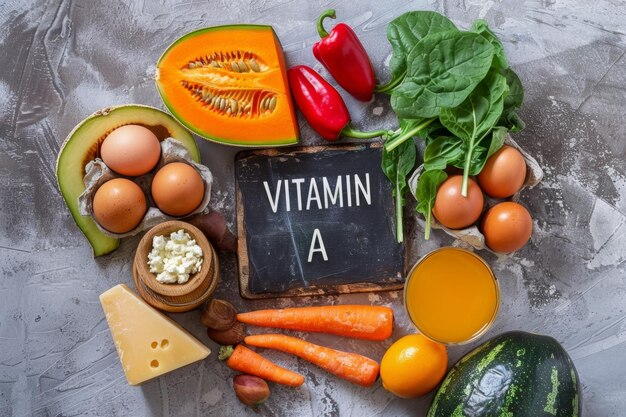
- Carrots
- Sweet Potato
- Spinach
- Kale
- Egg
- Cod Liver Oil
Vitamin C: The collagen booster
Vitamin C or ascorbic acid is rich in antioxidants that save our hair from the oxidative stress of free radicals and overall fine-tune the structure of our mane. The prime function of vitamin C, contributing to hair growth, is that it helps in collagen synthesis, which strengthens the hair strands to maintain their robustness. Citrus fruit is very rich in vitamin C, along with bell pepper, berries, kiwis, tomatoes, and broccoli.
Vitamin D: The follicle activator
Vit D regulates the making of new hair follicles. And that is, in fact, paramount for hair regrowth and sustains the overall quality and texture of our hair strands. Being the ‘sunshine vitamin’, many studies endorse that its lack is enough evidence to trigger conditions like alopecia areata, a type of autoimmune-related hair loss issue. Sources include egg yolks, fatty fish, oat milk, and an abundance of sunbathing.
How vitamin D promotes the growth of hair:
- By the action of its gibberellic acid, it is thereby stimulated to bud new shoots.
- Unsparing follicular aging causes patchy hair loss.
- There’s support for a healthy and entire scalp.
Signs of deficiency:
- Wasting of hair.
- Letting go of hair in patches (alopecia).
- Weakness in bones and fatigue (among other symptoms).
Best dietary sources:
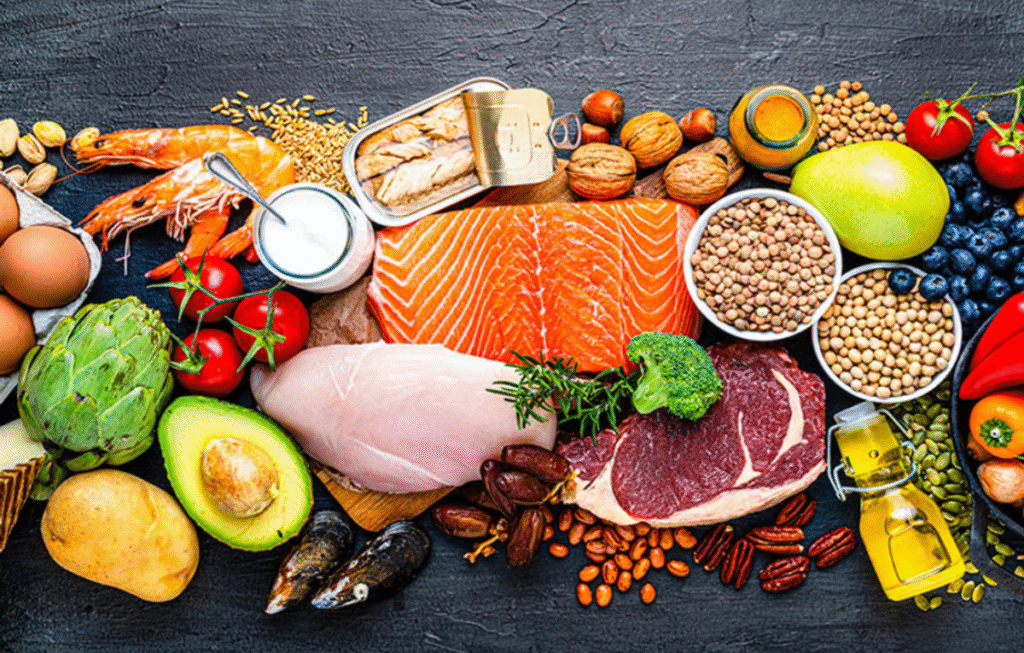
- Sunshine (15-20 minutes daily exposure).
- Fatty fishes: salmon, mackerel, and tuna.
- Egg yolks
- Recommended foods attributed to fortification (like milk and cereals).
- Men and women with very low sun exposure are usually recommended vitamin D supplements.
Vitamin B7 (Biotin): The hair strengthener
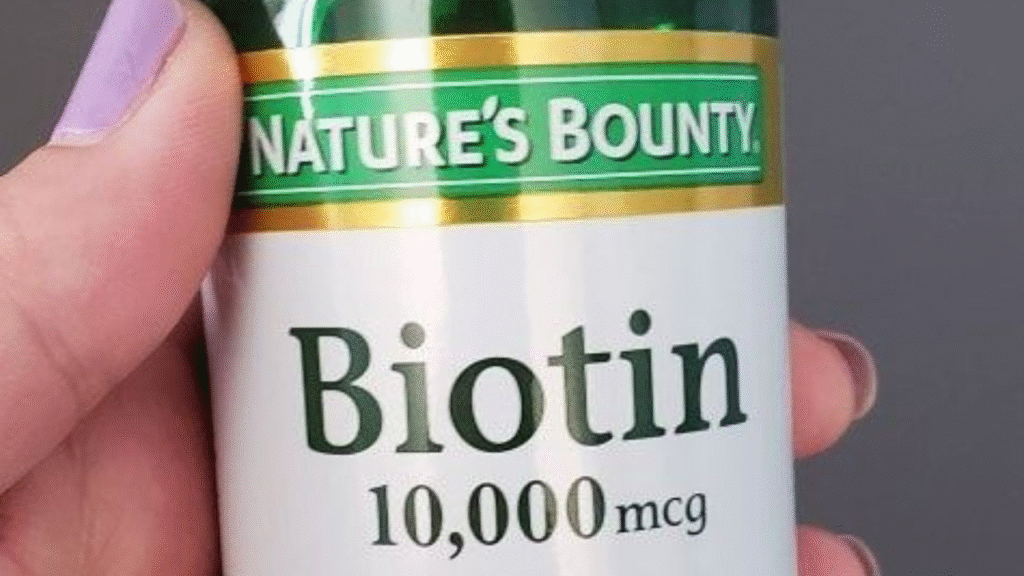
Also known as B7, biotin promotes hair growth and thickness. Biotin works directly on keratin, the protein that forms the structure of your hair. Therefore, if biotin aids the production of keratin, it might add strength to the hair strand, making the hair texture healthier and less brittle. Biotin can be sourced from salmon, nuts, seeds, legumes, almonds, egg yolks, and sweet potatoes.
Vitamin E: The hair protector
Some say that Vitamin E acts to protect the hair from environmental damage while preventing free radicals from inflicting damage, thereby causing oxidative stress and hair health deterioration, ultimately resulting in breakage, slow growth, and thinning. Vitamin E increases blood circulation in the scalp, promoting health for hair growth. It is also thought to nourish and repair damaged hair. Nuts, seeds, spinach, olive oil, kiwi, and avocado are the foods that will provide vitamin E to the body.
How vitamin E aids hair:
- Stimulates hair growth with increased blood circulation in the scalp.
- Repairs damaged follicles for stronger hair.
- Adds shine and prevents dryness.
Deficiency Symptoms:
- Dry and brittle hair.
- Increased shedding of hair.
- Growth is slower and dull in the lack of shine.
Best sources of food for supply:
- Sunflower seeds
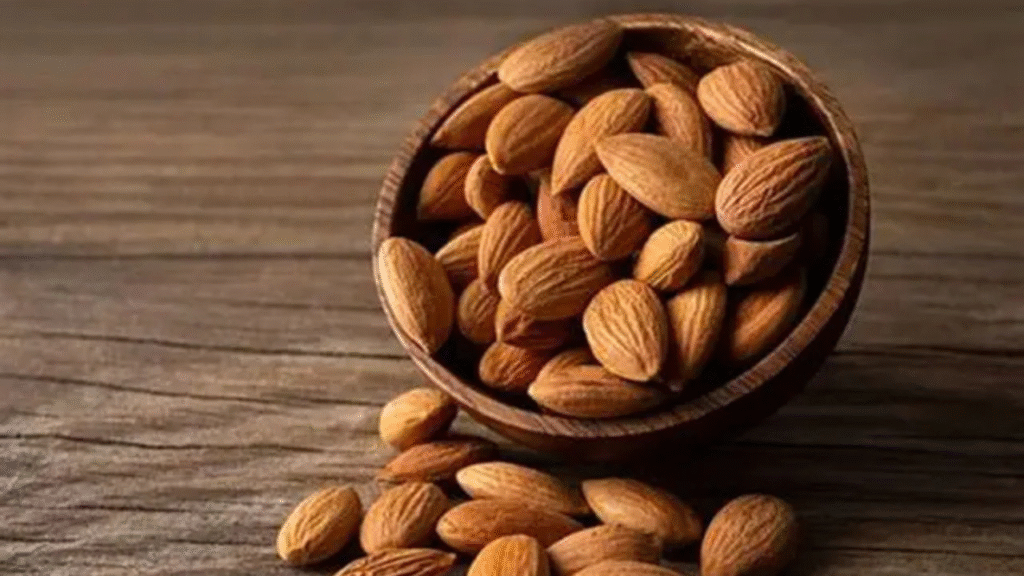
- Almonds
- Spinach
- Avacado
- Olive oil
Other Key Nutrients for Hair Growth
It can also be used on the skin, for scalp nourishment and strengthening strands.
- Iron deficiency anemia could lead to hair loss.
- Zinc forms tissues and balances oils that are secreted in the scalp skin.
- Omega-three fatty acids supply nutrition to hair and make it moist.
- Proteins mostly: hair is made chiefly out of proteins (keratin), which makes it one of the most important nutrients for hair.
Natural Tips for Hair Growth
- Eating: A healthy diet that includes the right amount of foods like fresh fruits and vegetables, whole grains, lean protein good fats is essential for successful hair growth.
- Drinking Enough Water, at least eight glasses a day.
- Massaging: This improves blood circulation and stimulates hair follicles at the same time.
- Reduce stress major destructive force, through yoga, meditation, or pranayama.
- Over-Styling: Yes, big no. Straining hairstyles or the use of extreme heat and chemicals on hair only lead to weakening.
- Sound Sleep: Less sleep disturbs the normal hormonal patterns, which leads to increased hair thinning.
Conclusion:
Nutrition plays a significant role in hair growth and thickness. The five vitamins A, B7, C, D, and E are critical for the strength, shine, and well-being of hair.
Having better vitamin-rich food goes a long way toward soothing hair worries and rewarding general health with only alterations to some lifestyle choices.
In case of serious concern, a person would have no compunction in consulting a doctor or nutritionist to receive personalized advice.
FAQs:
Which vitamin is most important for hair growth?
Biotin (Vitamin B7) is considered the most important as it strengthens hair follicles, prevents breakage, and supports keratin production.
Can vitamins alone stop hair loss?
Not always. Vitamins support growth and strength, but hair loss may also need medical treatment, lifestyle changes, or stress management.
How does Vitamin D affect hair thickness?
Vitamin D stimulates hair follicles, helping generate new strands. Deficiency can cause thinning or patchy hair loss (alopecia).
Are supplements necessary if I eat a balanced diet?
If your diet is nutrient-rich, supplements may not be needed. But deficiencies can require targeted vitamin supplementation under medical advice.
Medical Disclaimer
The information provided on Health Tips India is intended for educational and informational purposes only. It should not be considered a substitute for professional medical advice, diagnosis, or treatment.
Always consult a qualified healthcare professional before making any health-related decisions or changes to your diet, exercise, or medical routine.

SamhithaHealth & Wellness Content Writer
a Health & Wellness Content Writer with over 6 years of experience creating research-based health articles. She specializes in nutrition, weight management, diabetes care, skin health, and healthy lifestyle practices. Here content is carefully written using trusted medical and scientific sources to ensure accuracy and clarity for readers.