
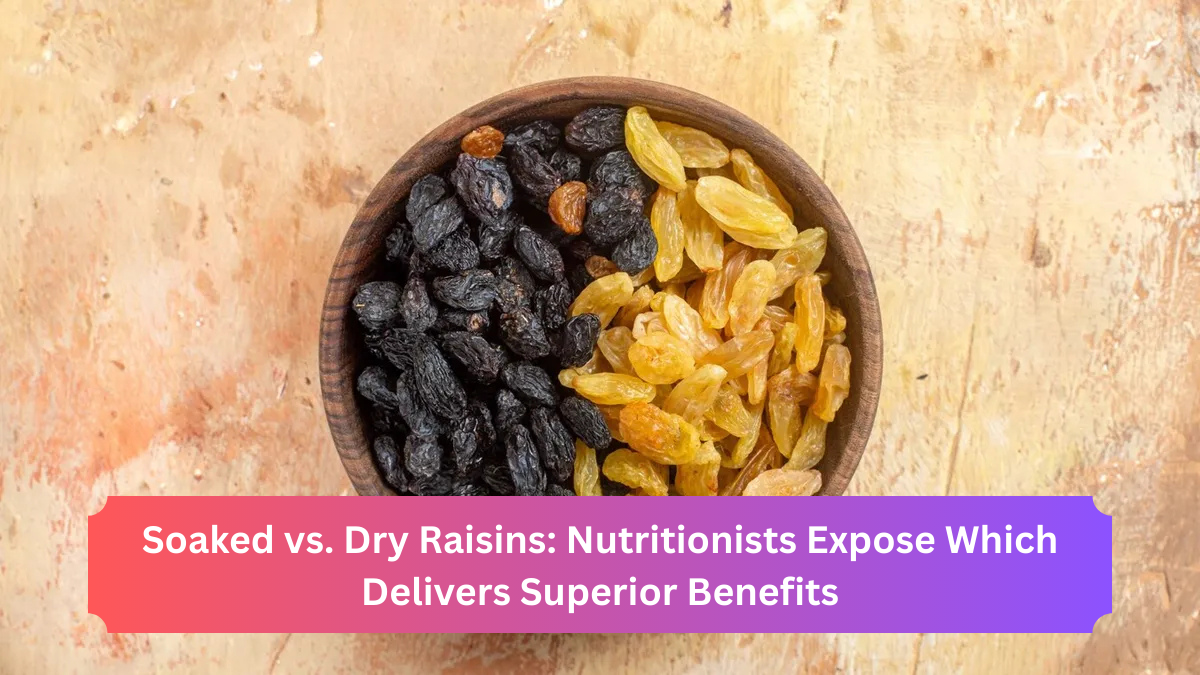
Raisins, those sweet, chewy dried grapes, are a staple in kitchens worldwide, offering a convenient burst of natural energy and nutrients. But a common debate among health enthusiasts centers on soaked vs dry raisins—does soaking them overnight truly enhance their health benefits of raisins, or are dry ones just as powerful? Nutritionists weigh in, explaining that while both forms provide similar core nutrition, preparation methods influence digestion, nutrient absorption, and overall impact.
Dry raisins deliver concentrated nutrients in a portable snack, ideal for quick boosts. Soaked raisins, however, become plumper and softer, potentially easing digestive strain and improving bioavailability of certain compounds. This soaked raisins vs dry raisins comparison draws from nutritional science and expert insights, highlighting how each fits different needs. Whether aiming for better gut health, iron absorption, or sustained energy, understanding these differences helps maximize raisins nutrition benefits.
Nutritional Breakdown: Similar Yet Different
Both soaked and dry raisins start from the same base—dehydrated grapes—packing fiber, antioxidants, iron, potassium, and natural sugars. A 1/4 cup serving of dry raisins offers about 130 calories, 2 grams of fiber, and significant micronutrients like boron for bone health.
Soaking doesn’t drastically alter calorie or macro content but rehydrates the fruit, reducing density per bite and slightly diluting sugar concentration. This makes soaked versions gentler on blood sugar for some. Dry raisins retain higher fructans (a prebiotic fiber form created during drying), supporting gut microbes.
- Antioxidants — Polyphenols remain strong in both, combating inflammation.
- Minerals — Iron and calcium absorption may improve in soaked due to reduced phytic acid (an antinutrient).
- Sugars — Natural fructose releases slower in soaked, potentially stabilizing energy.
Nutritionists note dry raisins suit on-the-go needs, while soaked enhance hydration and gentleness.
Digestion and Gut Health Advantages
One of the standout benefits of soaked raisins is improved digestibility. Dry versions, being dense and sticky, can sometimes cause bloating or slow transit in sensitive stomachs. Soaking softens texture, acting as a natural laxative and easing constipation.
The process activates enzymes, breaking down compounds for smoother gut passage. Many report soaked raisins relieve IBS-like symptoms better than dry.
- Prebiotic boost → Fructans in dry feed beneficial bacteria.
- Hydration aid → Soaked provide extra water, supporting bowel regularity.
- Gentler option → Ideal for children or elderly.
For optimal gut support, alternate based on tolerance—dry for fiber punch, soaked for comfort.
Nutrient Absorption and Bioavailability
Nutritionists often highlight how soaking reduces phytic acid, which binds minerals in dry plant foods, hindering uptake. This makes iron, magnesium, and calcium more bioavailable in soaked raisins—crucial for anemia prevention or bone strength.
Water-soluble elements leach slightly into soaking liquid (raisin water), offering bonus hydration with trace nutrients.
- Iron boost → Better absorbed when soaked, aiding energy and blood health.
- Antioxidant release → Plumping may enhance polyphenol accessibility.
- Vitamin retention → Minimal loss, but fresh grapes outperform both for water-solubles.
Dry raisins still deliver potent doses, especially when paired with vitamin C-rich foods.
Energy, Blood Sugar, and Weight Considerations
Dry raisins provide quick energy from concentrated sugars—great pre-workout—but can spike blood glucose if overeaten. Soaked versions release sugars gradually due to added water and softer matrix, offering steadier fuel.
This makes soaked preferable for diabetes management or sustained satiety.
- Quick pick-me-up → Dry for immediate vitality.
- Stable release → Soaked for fewer crashes.
- Portion control → Both calorie-dense; stick to 1-2 tablespoons.
Incorporate into meals for balanced impact.
Other Potential Benefits and Drawbacks
Both forms support heart health via potassium and antioxidants, potentially lowering blood pressure. Soaked may aid detoxification claims (via hydration and liver support), though evidence is anecdotal.
Dry raisins promote dental caution—stickiness risks cavities—while soaked are less adhesive.
- Skin and hair → Antioxidants benefit both; no strong soaking edge.
- Bone health → Boron and calcium shine regardless.
- Moderation key → Excess sugars in either can add calories.
Which Should You Choose?
Nutritionists conclude neither is universally superior—context matters. Opt for soaked raisins if prioritizing digestion, mineral absorption, or gentler blood sugar effects. Choose dry for convenience, higher fiber density, or quick energy.
Many experts recommend variety: soaked mornings for routine, dry snacks for portability. Start with 6-10 daily, monitoring response.
Ultimately, raisins—soaked or dry—offer impressive nutrition when enjoyed mindfully as part of a balanced diet.
FAQs:
Are soaked raisins better for digestion than dry?
Yes, soaking softens texture and reduces bloating for easier gut passage.
Does soaking improve nutrient absorption in raisins?
It reduces phytic acid, enhancing iron and mineral bioavailability.
Which is better for blood sugar control?
Soaked raisins release sugars more slowly, minimizing spikes.
Medical Disclaimer
The information provided on Health Tips India is intended for educational and informational purposes only. It should not be considered a substitute for professional medical advice, diagnosis, or treatment.
Always consult a qualified healthcare professional before making any health-related decisions or changes to your diet, exercise, or medical routine.

SamhithaHealth & Wellness Content Writer
a Health & Wellness Content Writer with over 6 years of experience creating research-based health articles. She specializes in nutrition, weight management, diabetes care, skin health, and healthy lifestyle practices. Here content is carefully written using trusted medical and scientific sources to ensure accuracy and clarity for readers.